



RD&I
Simulation and Digital Twins
Experts create digital models to test scenarios and strategies.
Completed projects
We build digital twins and high-fidelity simulation platforms to analyze, test, and optimize complex systems in a secure virtual environment. The projects below are examples of how we use simulation to validate plans and improve operational strategies, offering our clients a powerful decision-making tool. Discover how these digital replicas boost the performance of real assets.

Software for the Assessment of Hydropower Potential and Division of Falls
This project aims to develop a software for the optimization of hydroelectric potential development (fall division) considering both technical-economic aspects and socio-environmental constraints.
The model’s objective function maximizes the economic benefits of the hydrographic basin’s energy development, considering the costs of civil works, electromechanical equipment, and socio-environmental aspects of the candidate projects. The formulation of this mathematical problem and the search for solution methods is, without a doubt, the most original aspect of this project. There are also other original aspects, such as: (i) The development of a computational architecture for distributed execution (in the cloud) during the candidate project construction phase, which requires intensive computational processing to execute Geographic Information System (GIS) functions; and (ii) The automatic generation of project budgets through unit costs (informed by the user) and quantities of the different structures of the candidate projects (i.e., dams, spillways, turbines, etc.) that are dimensioned according to the Eletrobrás Inventory Manual.

Generation Assessment System (Genesys) – Software Redevelopment
This project aims to provide a modeling software that updates and enhances the GENESYS model used by the client to better understand the impacts of changes in the operation of the hydroelectric system on the regional energy system and to develop its regional energy plan. The redesigned modeling software has the following features: (i) Improve the software’s hourly simulation of generation resource operation (maintaining the Monte Carlo method); (ii) Allow the inclusion of additional random variables for the Monte Carlo simulation; (iii) Evaluate other possible adequacy measures; (iv) Incorporate reserves into an optimized dispatch; (v) Improve market representation; (vi) Include fuel accounting and forecast error; (vii) Model variable generation resources, such as wind and solar. The project also includes training for the client’s employees on the developed model.

Project META II – Price Formation
This project aims to indicate the main advancements needed to promote economic efficiency in the use of energy resources and in the economic signaling given by the short-term price. Additionally, it seeks to evaluate the advantages and disadvantages between cost-based and offer-based pricing mechanisms in the context of the Brazilian electric sector, based on theoretical analyses, international experiences, and computational tests. Finally, in the event of adopting the offer-based pricing mechanism, the project must indicate in detail the best arrangement for the Brazilian market and highlight the necessary adjustments to the arrangement – both in institutional terms, the commercial and regulatory environment, and the adoption of best practices by companies in the sector.
Integrated and Flexible Transmission Systems Planning
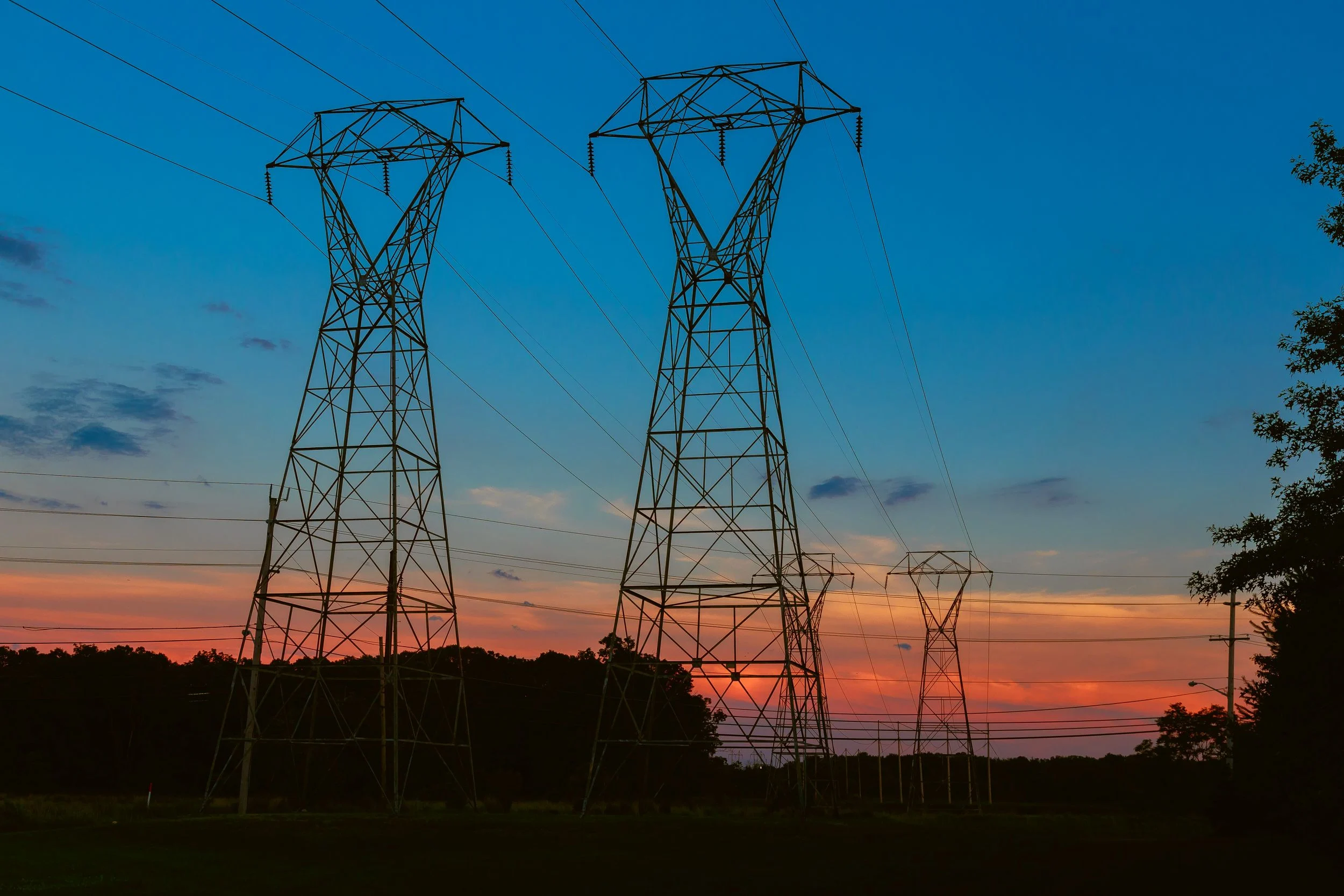
This Research and Development Project aims to: (i) develop methodologies to determine the most suitable portfolio of equipment and operational procedures that maximize the flexibility and reliability of the transmission system; (ii) develop computational models for the simulation of flexible transmission systems; and (iii) design proposals for a regulatory framework that encourages the adoption of the most efficient portfolio and ensures the remuneration of investments.
Planning for Generation-Transmission Expansion with Pumped-Storage Hydropower Plants
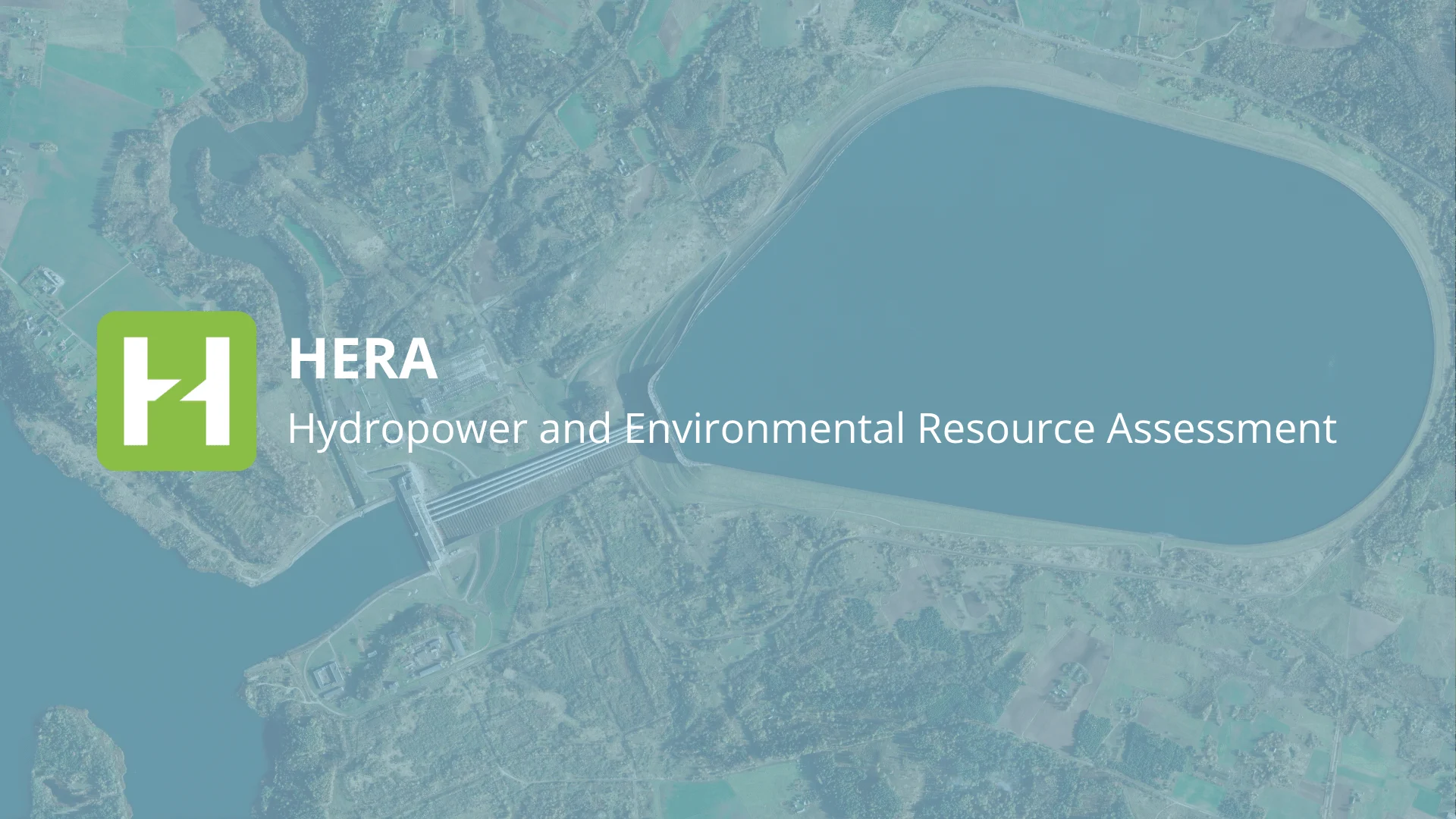
The main objective of the project is an extension of the HERA computational model to include a methodology for evaluating reversible power plants as flexible resources in transmission planning. The idea is to develop models that evaluate the insertion of these plants in the most suitable locations of the SIN transmission grid as a cost-benefit solution, minimizing or even avoiding new investments in transmission lines.

New regulatory models for compensating future distributors
The objective of this project is to propose improvements to the current regulation that incentivize new remuneration models for distributors, suitable for the inevitable insertion of Distributed Energy Resources and, with them, the possible creation of Distributed Service Platforms.
This involves mapping and analyzing international experiences in the regulation of electricity distribution aimed at the insertion of DERs and distributed service platforms, followed by a diagnosis of the current regulation in Brazil vis-à-vis the international experience. With these inputs, and considering an analysis of the trends and impacts of Distributed Energy Resources on the electricity sector (and, in particular, on the electricity distribution activity) and distributed service platforms, an initial proposal for improving the current regulation of energy distribution is constructed. This proposal is then subjected to a qualitative analysis (through SWOT matrices) and a quantitative analysis (with the two simulation models built in the project). The results of these analyses lead to the consolidation of the final version of the proposal for improving distribution regulation.
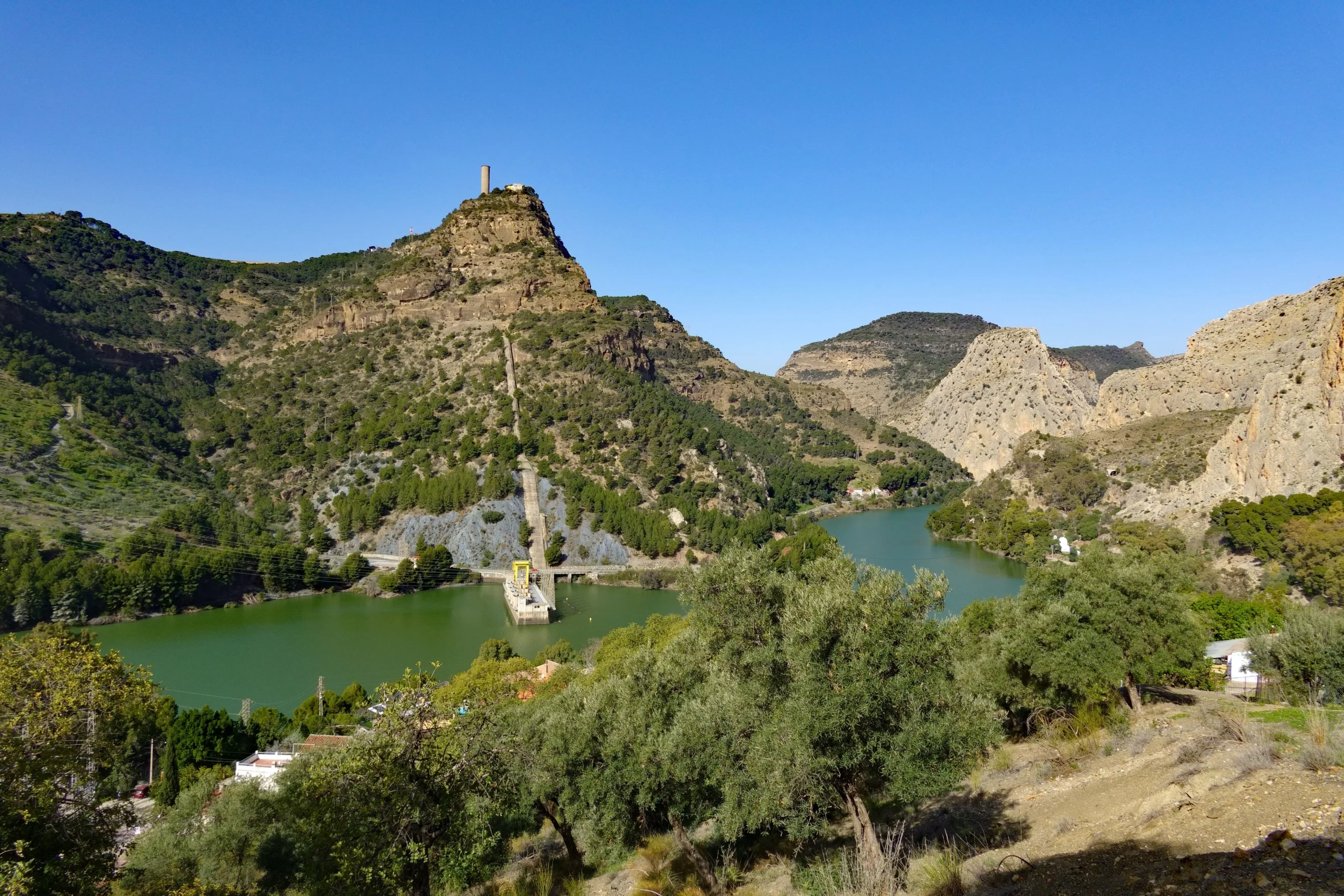
Methodology for Selecting Locations for the Implementation of Pumped-Storage Hydropower Plants
This R&D project develops a tool to identify locations for pumped-storage hydropower (PSH) projects, considering both closed-loop and open-loop systems (using an existing river or reservoir as an upper or lower reservoir). The system uses a digital terrain model and other information layers, such as the electrical grid, preservation areas, and more. Follwoing that, it focuses on promising areas to optimize the location of the PSH projects and carry out the engineering design (including determining the project budget for civil works and equipment). With this bottom-up approach, it is possible to create interesting projects of various sizes (capacity in MW and storage capacity in MWh). Finally, a top-down approach uses an integrated resource planning to evaluate which of these projects are viable for the electrical system, considering the various services provided by the projects, such as energy, capacity, reserves, and reliability.
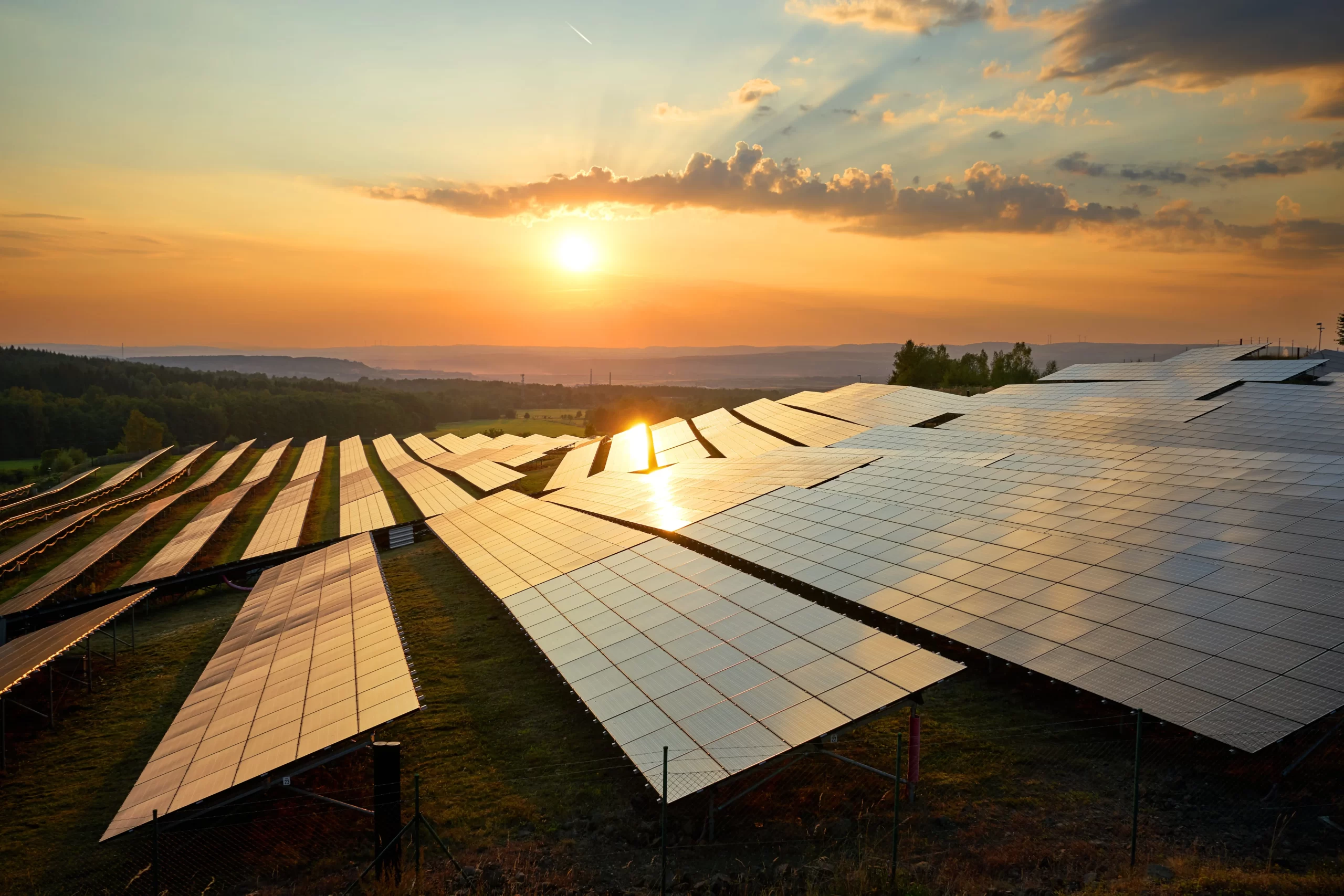
Technical-Commercial Insertion of Solar Photovoltaic Generation in the Distribution Grid
The main objective of this project is to comply with the provisions of Strategic R&D Project Call No. 013/2011, with the goal of evaluating the technical-commercial insertion of solar photovoltaic (PV) generation through the design, construction, and operation of a 1MWp commercial plant, with two photovoltaic technologies, a technological laboratory with five different photovoltaic technologies, and a wind turbine. This constitutes the study center with 75kWp solar and 6kW wind to evaluate the complementarity between sun and wind, integrating the results of the project PD-0063-0042/2011, with data acquisition, monitoring, and processing integrated into a system developed by the project teams.

Development of a Platform for Managing Availability and Commercialization Risks of Power Generation
The objective of this project is to develop an integrated risk management platform for Light’s energy generation commercialization sector. Within this environment, the decision-maker has access to integrated risk management and portfolio optimization tools, which assist in both controlling the risk and profitability of the company’s current situation and in making commercialization decisions for new assets.
In order to adapt the tool to the company’s reality and the actual environment it is subject to, latent risk factors are mapped and modeled, which are integrated into the platform to consider them when outlining new strategies and performing analyses.
The platform is designed to be compatible with a global risk management policy of the company. In other words, this environment is capable of incorporating the constraints and objectives specified for the generation sector, stemming from a corporate risk policy adopted by the company as a whole, and supplying it with the results obtained through both performance indicators and outcome scenarios. In this regard, risk measures and their applicability in realistic contexts are researched to provide risk indicators that are easy to interpret financially and have great power over the control of the modeled risks.
For this purpose, training courses on risk management and the practical use of this platform are provided, with the aim of equipping decision-makers with knowledge and intuition about the models and techniques that the company has at its disposal.
Life Cycle Assessment in Electricity Generation and Storage in Brazil: A Socio-environmental and Energy Approach
This project aims to propose a methodology for the spatio-temporal life cycle assessment of energy generation and storage systems, based on a socio-environmental and energetic approach. The adoption of this methodology allows for the comparison between systems, in order to support decision-making processes in national planning across different time horizons and regions. The central themes that make up the study, as applied to the systems under consideration, are: (i) Spatio-temporal life cycle assessment (LCA); (ii) Assessment of impacts on biodiversity and landscape ecology to be included in the LCA; (iii) Social life cycle assessment (S-LCA); and (iv) Energy return on energy investment (EROI).
The following electricity generation and storage systems are evaluated: (i) Hydroelectric power plants; (ii) Natural gas thermoelectric plants; (iii) Sugarcane biomass generation plants; (iv) Solar photovoltaic plants; (v) Wind power plants; (vi) Pumped-storage hydropower plants; (vii) Lithium-ion batteries.
Finally, a computational tool is built to support decisions regarding the expansion of electricity generation in Brazil.
Explore advanced R&D solutions for the energy sector with PSR.
Explore our latest publications
Stay up to date with the latest news, analysis, and content produced by the PSR team.
Energia em Foco
PSR’s hub on Exame, featuring expert content on trends and challenges in the Brazilian and global energy sector.
Latest news
Institutional content featuring study releases, events, partnerships, and other initiatives that highlight our commitment to innovation and excellence in the sector.
Scientific Publications
Articles, studies, and reports that contribute to the effective development of the energy sector.
Read the latest news