






RD&I
Systems optimization and supply chains
PSR develops algorithms to maximize efficiency and reduce costs
Completed projects
We combine operational research and mathematical modeling to bring greater intelligence and efficiency to systems and supply chains. The following projects are practical examples of how we apply optimization to increase efficiency, improve planning, and maximize results for our clients. Explore each case to learn about the solutions developed.

UK Pact – Energy Transition and Industrial Descarbonization in Brazil – Support the Steel Industry to Achieve Sectoral Mitigation Goals
The CarbSteeler Model is a mathematical cost optimization model to evaluate the distinct decarbonization pathways for the Brazilian steel industry. It integrates local resources and factors—encompassing technologies, processes, and economic aspects, such as economies of scale and potential synergies with other industries via resource sharing in geographical clusters. The main resources analyzed include biomass, biochar, biomethane, hydrogen, natural gas, coke, electricity, scrap, iron ore, and water. The processes covered in the model include the production of green hydrogen, biochar, pig iron, hot briquetted iron (HBI), and steel, by both Electric Arc Furnace (EAF) and Basic Oxygen Furnace (BOF). The model operates under constraints such as energy and mass balances between processes, regulatory requirements (including green certification), annual steel production volumes to simulate current and future scenarios, and an annual emissions budget. These constraints ensure that the model considers operational and regulatory realities. The objective function and constraints of the model are flexible, allowing, for example, to maximize low-carbon steel production within an established emissions budget, or to minimize emissions for a specific steel production demand. Additionally, the model includes investment and Operation and Maintenance (O&M) costs, adjusted according to scale.

Combinatorial Auction System for Capacity and Energy Products in the Brazilian Electricity Sector
This R&D project aims to propose a new auction system that allows the efficient contracting of the necessary attributes for the Brazilian Electric System (SEB) – especially energy and production backup, in order to guarantee the adequacy of supply and allowing the participation of different generation resources, storage systems, and demand response. The project is divided into five stages: (i) Literature Review, including analysis of international experiences related to multi-product auctions, specifically aimed at the commercialization of electric energy and products related to supply security; (ii) Proposal of a systematic for combinatorial auctions, involving the elaboration of the design, algorithm, and systematic of combinatorial auctions, based on the new market design proposed for the Brazilian Electric Sector; (iii) Development of the computational tool, involving the development of a tool to solve the optimization problem defined in the previous stage; (iv) Workshops, including the holding of three workshops with the objective of disseminating knowledge to internal and external audiences, as well as collecting new visions on the topics; and (v) Technical Report and proposal for the implementation of Combinatorial Auctions, including the consolidation of suggestions for improvements received in the workshops on the proposed design and the need for regulatory adjustments to adapt to the changes proposed in the new auction design.

Mineral Coal Supply Optimization System for Thermal Power Plants (MOCCA)
The project aims at the development of CCOM (Coal Contracting Optimization Model), a system that optimizes the contracting strategy and the transportation schedule for mineral coal for thermoelectric power plants. The project’s activities include: (i) Mathematical formulation of the coal acquisition optimization model; (ii) Specification of the optimization system; (iii) Implementation of the optimization model; (iv) Implementation of the data management interfaces; and (v) Implementation of auxiliary models for result analysis.

Generation Assessment System (Genesys) – Software Redevelopment
This project aims to provide a modeling software that updates and enhances the GENESYS model used by the client to better understand the impacts of changes in the operation of the hydroelectric system on the regional energy system and to develop its regional energy plan. The redesigned modeling software has the following features: (i) Improve the software’s hourly simulation of generation resource operation (maintaining the Monte Carlo method); (ii) Allow the inclusion of additional random variables for the Monte Carlo simulation; (iii) Evaluate other possible adequacy measures; (iv) Incorporate reserves into an optimized dispatch; (v) Improve market representation; (vi) Include fuel accounting and forecast error; (vii) Model variable generation resources, such as wind and solar. The project also includes training for the client’s employees on the developed model.

Proposals of Methodologies for Offer Price Formation in Brazil
The project aims to research methodological alternatives and propose a dispatch and short-term price formation mechanism based on offers made by agents that reconciles the characteristics of the Brazilian Electric System (SEB), such as guaranteeing hydro-thermal coordination when different companies own hydroelectric plants in the same cascade and sharing systemic hydrological risk. The project is composed of three phases: (i) Conceptual design, (ii) Detailed design with a concrete proposal for implementing price offers in Brazil, and (iii) Computational modeling of analytical tools that enable other agents and researchers to perform similar quantitative exercises and additional explorations.
Hourly Stochastic Operation and Power Reserve for the Brazilian Interconnected System (SIN) with Renewable Source Uncertainties
A new methodology and computational mathematical model that incorporates the results of DESSEM, but with hourly resolution, representing operation under demand uncertainty and increasingly intermittent production, co-optimizing the short-term operational power reserve in a probabilistic manner.
The number of constraints in the stochastic dispatch problem is reduced due to the affine rules technique. The first set of equations and constraints in the model represents a ‘reference operational trajectory,’ given by the maximum likelihood estimate of the weighted scenarios for demand, renewables, etc. A second, additional set of equations and constraints represents the fact that the actual values of renewable production and demand, each hour, are different from the forecasts. As a consequence, an operational adjustment (a deviation from the reference trajectory) is necessary. The decision variables of the optimization problem under uncertainty are the adjustment coefficients for each generator (similar to Automatic Generation Control), known in the literature as affine decision rules. The final problem corresponds to a large-scale mixed-integer programming (MIP) model. An additional result of the model is the dynamic generation reserve.
Integrated and Flexible Transmission Systems Planning
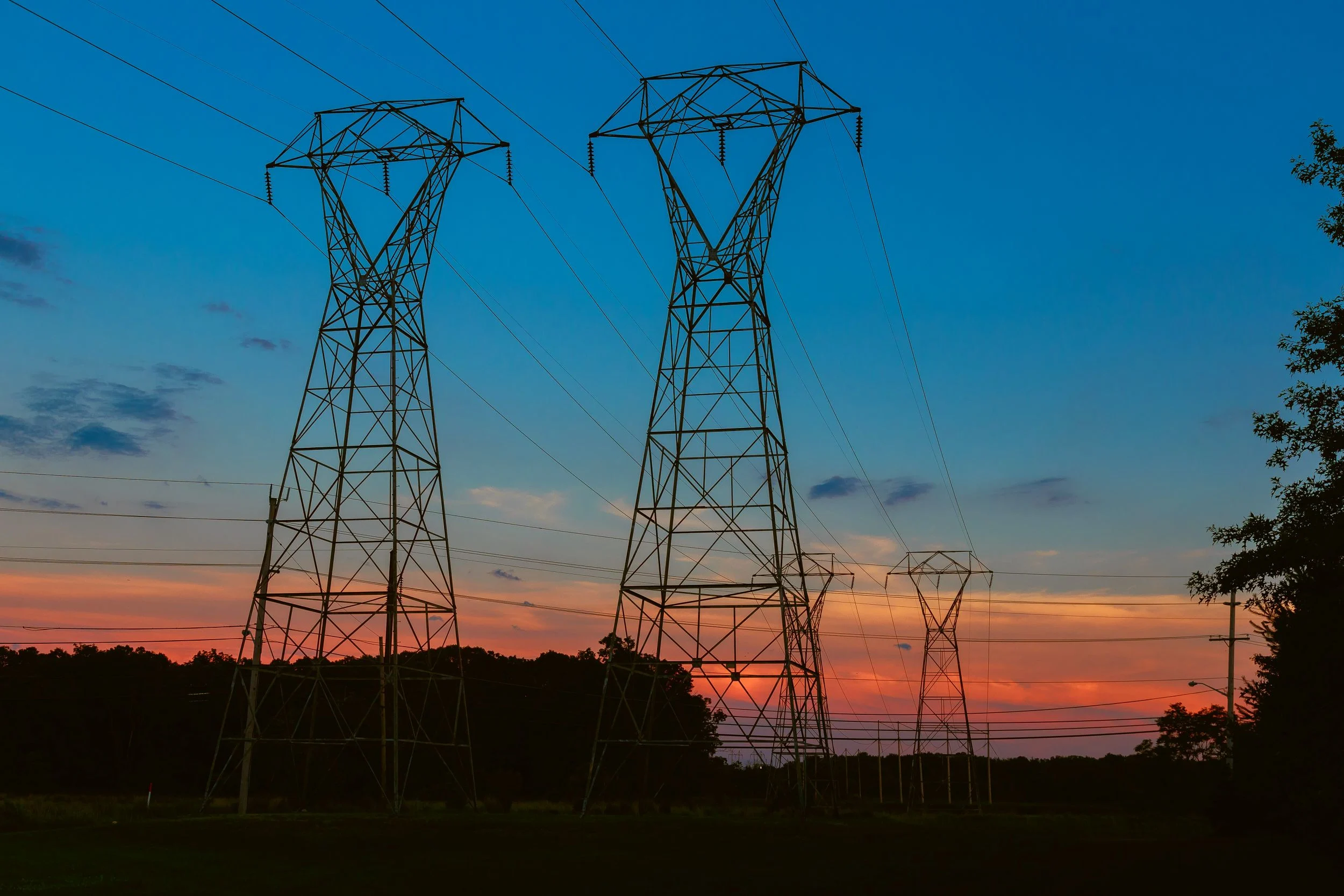
This Research and Development Project aims to: (i) develop methodologies to determine the most suitable portfolio of equipment and operational procedures that maximize the flexibility and reliability of the transmission system; (ii) develop computational models for the simulation of flexible transmission systems; and (iii) design proposals for a regulatory framework that encourages the adoption of the most efficient portfolio and ensures the remuneration of investments.

Economic and Socio-environmental Model for the Production of Hydrogen and Low-Carbon Products in the Sugarcane Industry
The objective of this project was to analyze the low-carbon energy products that can be produced from sugarcane, including hydrogen, biogas, ethanol and SAF, focusing on verifying their production potential and competitiveness against other routes. For this purpose, an analysis of the existing and future market for each of these products was carried out and the OptBio computational tool was developed, capable of optimizing the use of sugarcane to obtain the highest return from the production activity.

Modelagem de Termelétricas e Terminal de Regaseificação para Nomeação de Cargas de GNL sob Incertezas
This project resulted in the development of the GNoMo software, focused on modeling and optimizing the operation of thermal power plants integrated with regasification terminals. The operation manages the acquisition of Liquefied Natural Gas (LNG) in a complex scenario involving maritime transport, floating storage (FSRU) and uncertainties in energy dispatch. To face challenges such as adverse weather conditions, logistical delays and price volatility, the tool uses advanced stochastic optimization techniques, minimizing operating costs and mitigating financial exposure risks. In addition to daily operation, the software enables investment analysis, simulating expansion scenarios such as new storage units and integration with the gas grid.
Methodology for determining the Distribution System Usage Amount (MUSD) procurement strategy
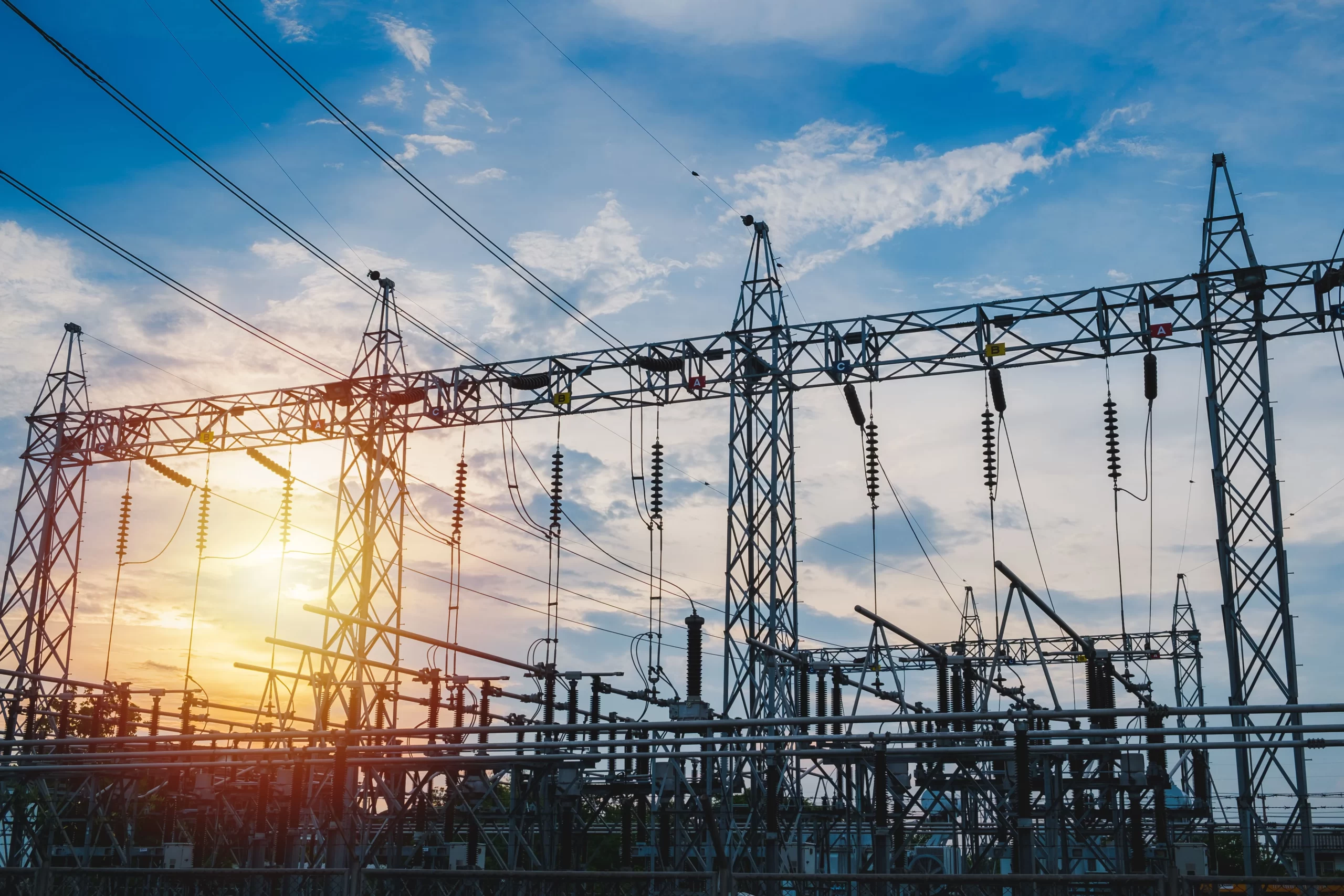
Methodology and computational tool for determining the optimal MUSD (Maximum Contracted Demand) to be contracted at the connection points between the distribution network and the Supplying Companies, based on simulations that capture uncertainties related to distributed generation, demand, and equipment availability.
The technique employed is based on:
Stochastic approach: creation of temporally and spatially coherent scenarios for the internal generation and load of the distribution system and the rest of the NIS (National Interconnected System).
Sampling: both time series and non-parametric sampling techniques are used for sampling generation and load scenarios.
Integration: the internal system of the distributor and its relations with the NIS are integrated to create load and generation scenarios.
Simulation horizon: the multi-year simulation horizon (4 years) is discretized into 15-minute time intervals, and power flow simulations are performed for each temporal discretization.
Analysis: firstly, all cases corresponding to 15-minute temporal discretizations are probed by linearized power flow without losses, and then simulations are run for the most severe cases at the connection points, with loss representation.
Integrated contracting: the MUSD/MUST (Maximum Contracted Demand/Maximum Contracted Energy) is contracted under a risk criterion using a classic mathematical programming approach.

Integration of Storage to Support Wind Power Generation
The study has the following activities: (i) apply storage systems to support the operation of wind power plants; (ii) develop a methodology that provides the correct sizing and most appropriate location for such systems; (iii) international analyses; (iv) evaluation of the benefits of storage systems for the interconnected system; (v) evaluate possible market models; and (vi) analyze the current difficulties for the implementation of these systems.

Increase in Expansion Auctions in the Institutional Model of the Electric Sector
This project aims to develop studies that lead to the improvement, formatting, and dissemination of regional electricity auctions for the free market, and to the development and operationalization of expansion auctions to add capacity to meet the national electric system’s peak load.

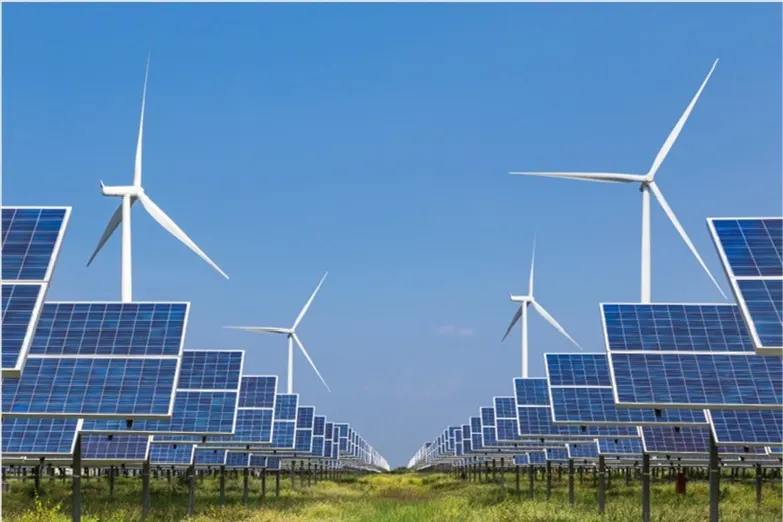
Wind Turbine Integrated with Solar, Storage, and Hydraulic Energy Sources as a Development Platform
This project develops an intelligent hybrid generation system for R&D, focused on a control capable of stable and optimized operation and maintenance. The central pillar of this innovation is the development of the STORM (Stochastic Optimization for Renewable Energy Management) model, which uses real-time simulators and stochastic optimization algorithms to ensure qualified performance based on temporal forecasts on a scale of hours, days and months.
Solar and wind intermittency in power plants can cause instabilities throughout the electrical system and the local grid. Recent technological solutions point to the integrated use of wind and solar plants at the same location. This project, through the intelligence of the STORM model, contributed to a smarter integration of the national energy system and one better suited to local characteristics, based on wind energy integrated with other energy conversion processes. Equipment and systems are introduced that represent an innovative alternative for improving the quality, efficiency and reliability of the electrical power generation system. The project is thus configured as a platform for the development of solutions to improve intelligent and integrated operation, supervision and control, providing the best emerging technologies for the electricity sector.
Explore advanced R&D solutions for the energy sector with PSR.
Explore our latest publications
Stay up to date with the latest news, analysis, and content produced by the PSR team.
Energia em Foco
PSR’s hub on Exame, featuring expert content on trends and challenges in the Brazilian and global energy sector.
Latest news
Institutional content featuring study releases, events, partnerships, and other initiatives that highlight our commitment to innovation and excellence in the sector.
Scientific Publications
Articles, studies, and reports that contribute to the effective development of the energy sector.
Read the latest news