







Carbon Footprint Methodology for Generation and Distribution Systems

The development of a methodology for the Light Group aims to calculate Carbon Footprint indicators, considering the entire production chain, by mapping and analyzing boundaries, calculation formulas, improvement indicators, and calculating the confidence interval of the measurements found. The development of a methodology for the Carbon Footprint follows the same process, regardless of the nature […]
Investigation of the factors that interfere with the performance of the MRE

This R&D project investigates the factors that interfere with the performance of the MRE, includes a case study in the São Francisco river basin, and identifies consumptive uses from meteorological data and satellite images and the net evaporation of reservoirs. To achieve this, it applies artificial intelligence techniques.
Technical-Commercial Insertion of Solar Photovoltaic Generation in the Distribution Grid
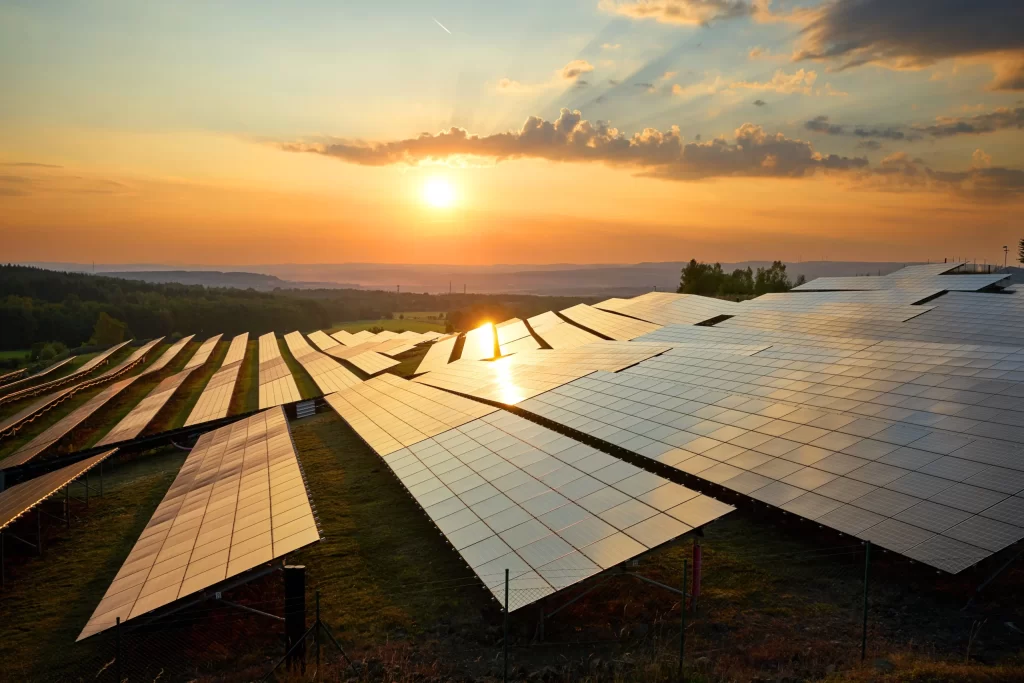
The main objective of this project is to comply with the provisions of Strategic R&D Project Call No. 013/2011, with the goal of evaluating the technical-commercial insertion of solar photovoltaic (PV) generation through the design, construction, and operation of a 1MWp commercial plant, with two photovoltaic technologies, a technological laboratory with five different photovoltaic technologies, […]
Insertion of Battery Storage Systems into the Main Grid
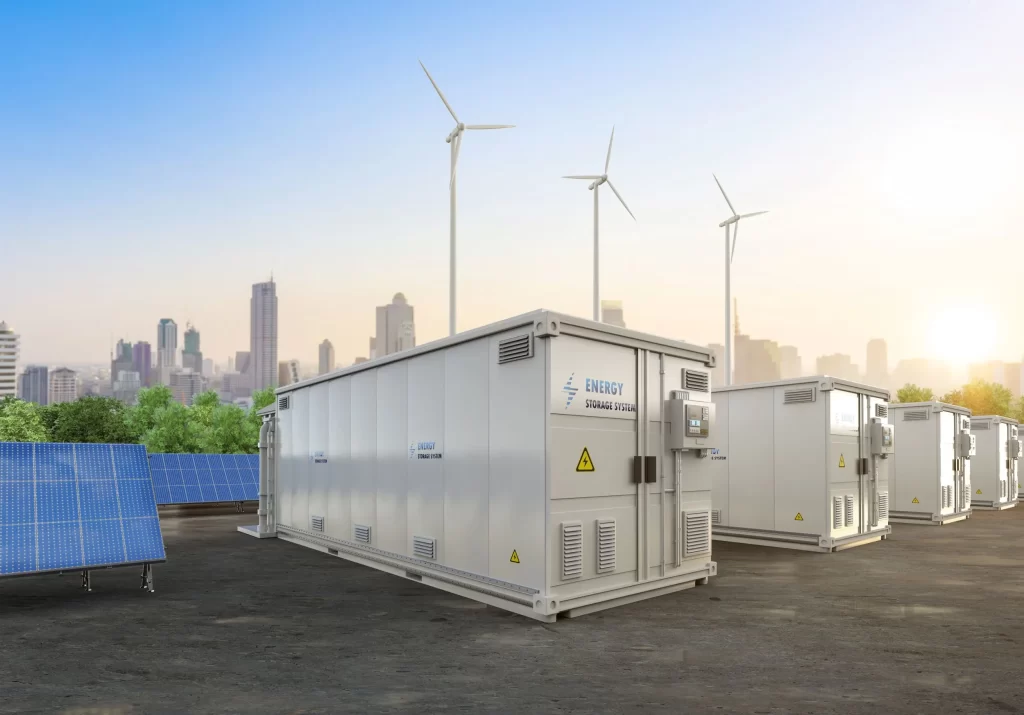
Development of a methodology for valuing the energetic, electrical, and systemic attributes of using BESS (Battery Energy Storage Systems) in the National System, aiming to increase flexibility, reliability, and resilience in the presence of intermittent renewable sources.
Integration of Storage to Support Wind Power Generation
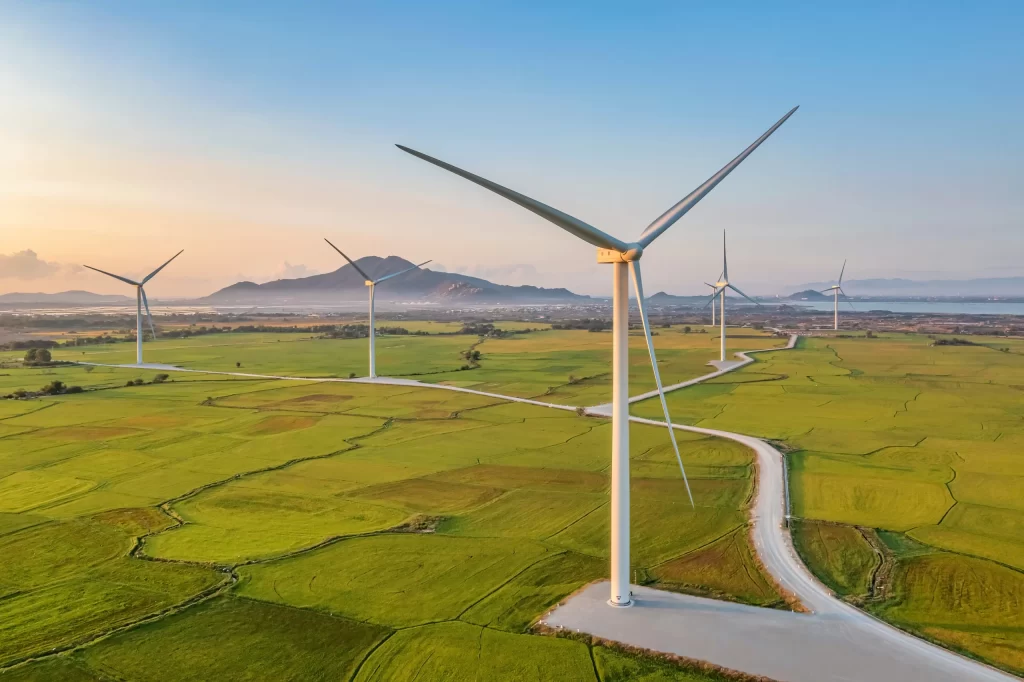
The study has the following activities: (i) apply storage systems to support the operation of wind power plants; (ii) develop a methodology that provides the correct sizing and most appropriate location for such systems; (iii) international analyses; (iv) evaluation of the benefits of storage systems for the interconnected system; (v) evaluate possible market models; and […]
Regulatory Incentives for Digital Solutions to Improve Hydropower Generation Performance
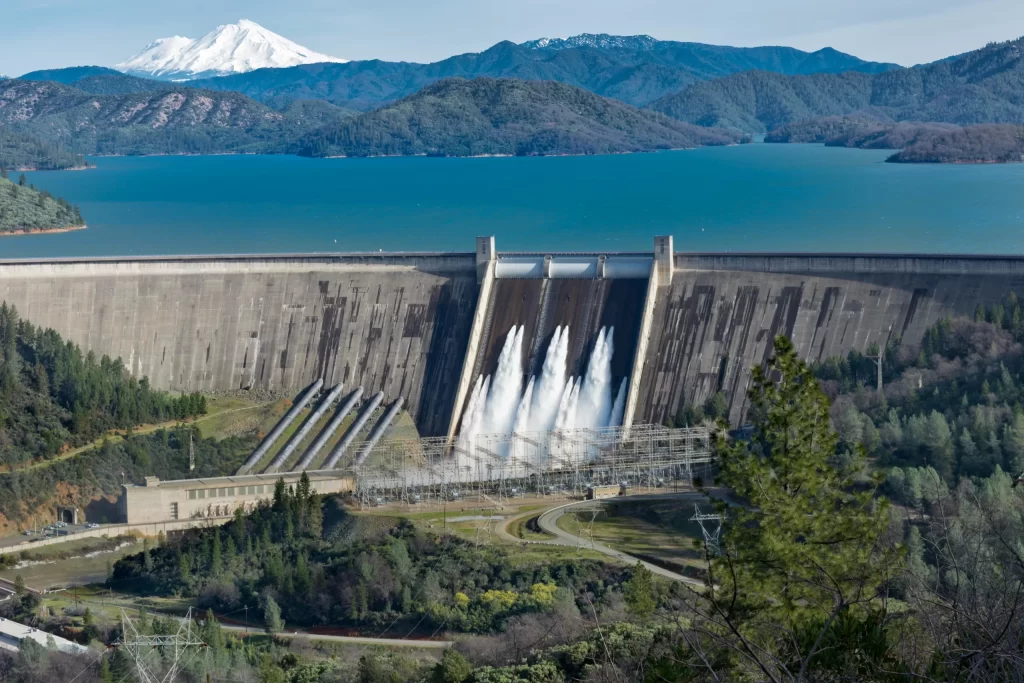
The main objective of this project is to propose improvements to the Brazilian regulatory framework for the inclusion of mechanisms capable of adequately compensating resources that promote operational flexibility at low costs. Among the possible resources, the study focuses on the use of digital solutions that allow for the provision of additional power from hydroelectric […]
Development of the Natural Gas Market in Brazil for Electric Power Generation
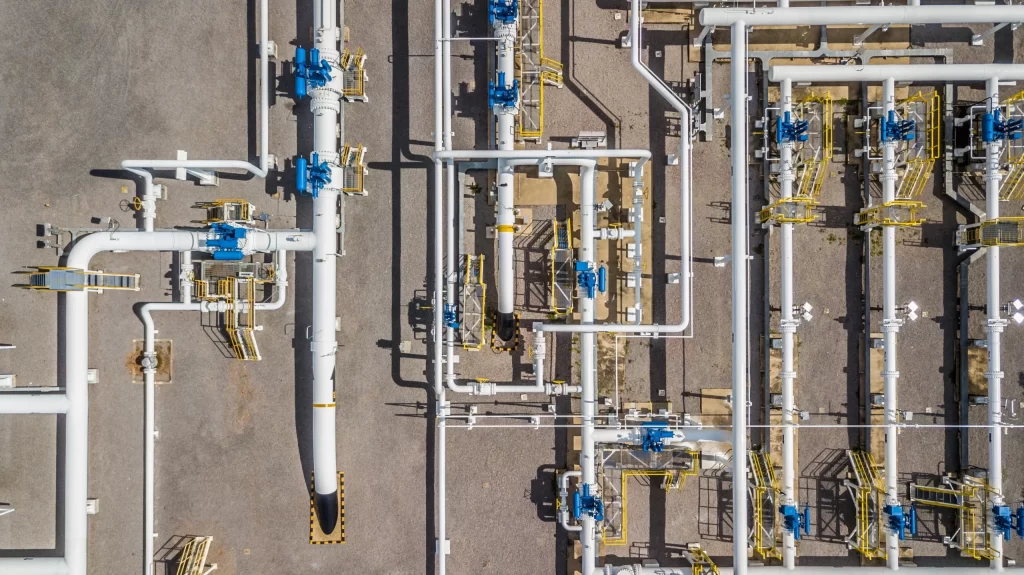
The general objective of this project is to build a vision for the gas market in Brazil, proposing regulatory, political-institutional, and structural actions to ensure its development and optimal interaction with the electricity sector.
Carbon capture in bioelectricity plants
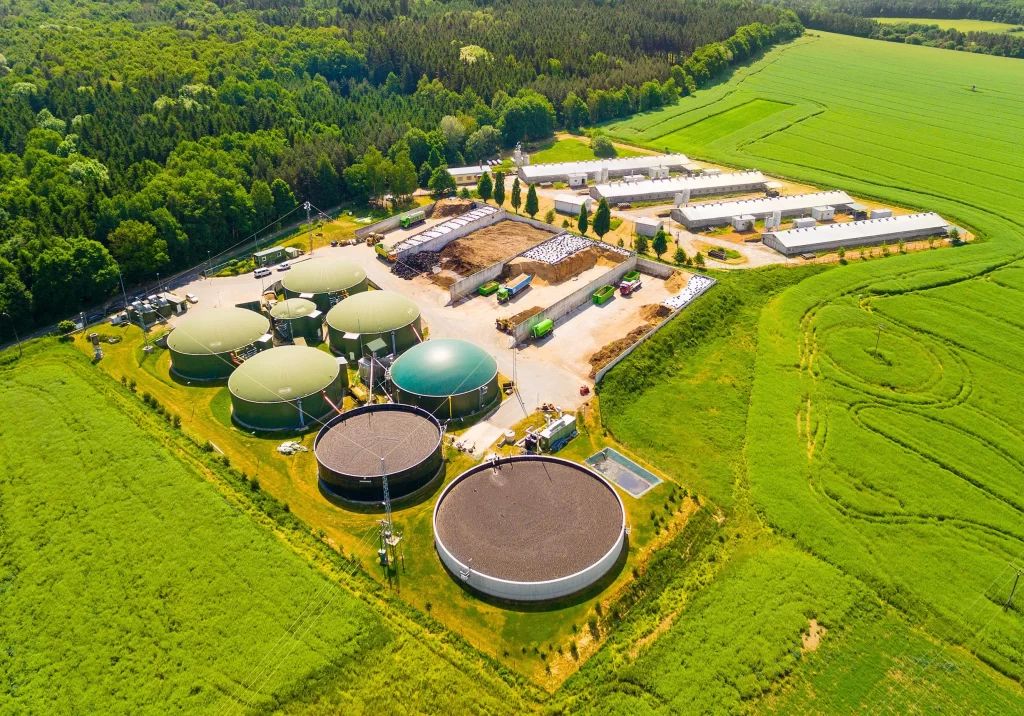
The project aims to evaluate the implementation of carbon capture in bioelectricity generation plants in Brazil on a technical and economic basis, considering the different types of biomass that can be used and the suitable technological alternatives, along with their respective technical yields and economic costs for electricity generation with carbon capture. To meet this […]
Calculation and Revision of Physical Guarantee Certificates in Brazil
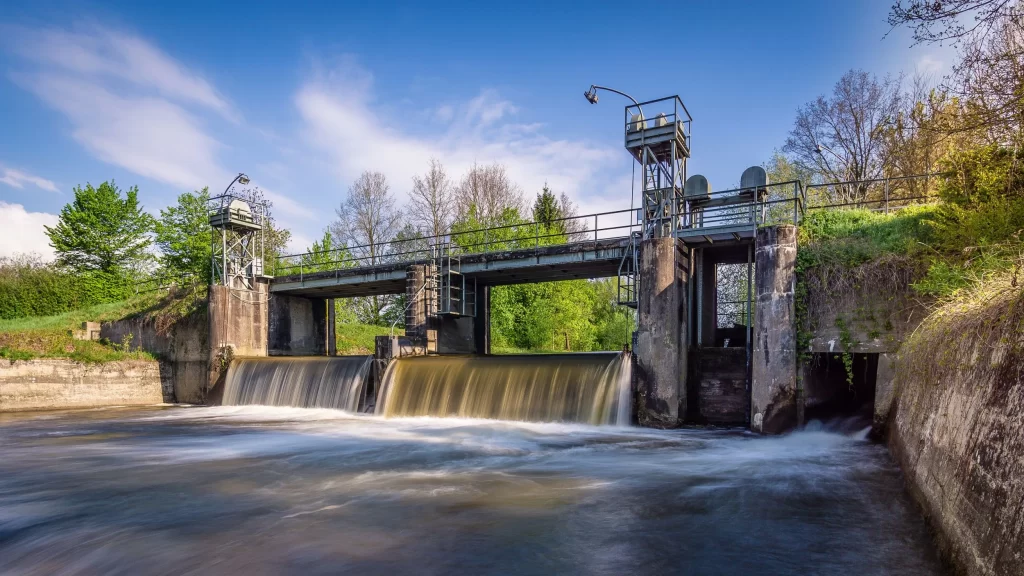
The project’s objective includes the investigation of the technical, economic, and regulatory aspects of calculating Brazil’s physical guarantee; obtaining a solid theoretical and experimental basis that supports the proposed methodologies and criteria for the calculation and review of the physical guarantee; and presenting regulatory proposals for maintaining the stability of the certificates and revising these […]
Analysis for the Improvement of Horoseasonal Signals
The objective of the study is to develop a methodology that creates a tariff signal without distortions, using existing and consolidated system modeling and representation techniques, adapted to the current reality of the system’s production, consumption, institutional, and commercial aspects. The proposal starts with the main potential causes of production cost differences at different hours […]