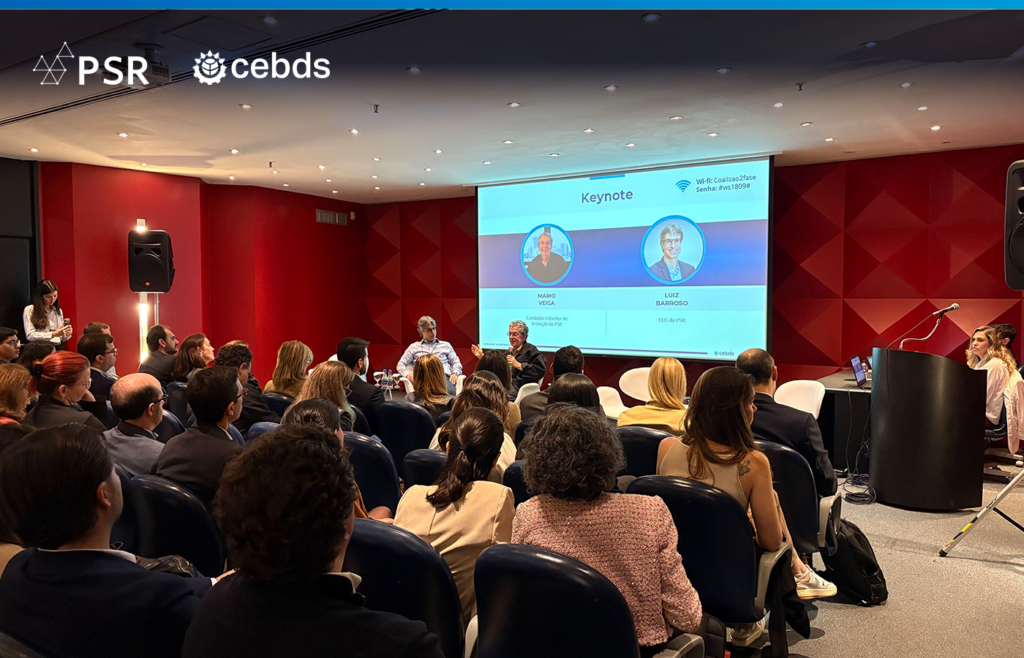


The Electric Power Sector Coalition held its second thematic workshop of the current phase in Brasília, focusing on flexibility and economic signals. The meeting brought together representatives from companies, associations, and public agencies to discuss the challenges of adapting the operation and planning of the electric power system to the transformations within Brazil’s energy mix, balancing the expansion of renewable sources with the need for competitiveness and a reliable energy supply.
The first session addressed supply-side flexibility and the resources required to meet the system’s new operational demands. As solar (both centralized and distributed) and wind power generation grow, there is an increasing need to accommodate energy surpluses during certain periods while expanding dispatchable generation at other times. Discussions covered the contributions of technologies such as hydroelectric plants, batteries, pumped-storage plants, hybrid systems, and thermal power plants, as well as criteria for improving how these resources are contracted and compensated.
Following this, the debate turned to demand-side flexibility and the role of consumers in system operations. Participants explored ways to enhance demand response—such as reducing or shifting consumption during periods of peak need — and how to leverage distributed resources, including batteries, electric vehicles, and rooftop solar generation.
The event also covered economic signals within the wholesale market, including short-term price formation, the limits of the Settlement Price for Differences (PLD), long-term contracting, and risk allocation. Furthermore, topics such as locational signals for grid expansion and the integration of climate-related risks into planning and supply security decisions were also discussed.
Finally, the discussions addressed the rationalization of subsidies and the modernization of electricity tariffs. The presentation by PSR highlighted that subsidies embedded in electricity bills are projected to exceed R$ 60 billion by 2026, with less than 20% of this amount serving a social purpose. The implementation of time-of-use tariffs for low-voltage consumers—including those with distributed generation—was also discussed, alongside the expansion of smart metering and other mechanisms for tariff refinement.
According to Angela Gomes, technical director at PSR, Brazil possesses favorable conditions for advancing its energy transition, but it must improve the mechanisms required to leverage this advantage. “Our competitive energy is also clean. The challenge lies in ensuring that this advantage translates into economic and regulatory conditions capable of stimulating investment, increasing system flexibility, and guaranteeing that energy remains cost-effective for all consumers,” she states.
The meeting was attended by representatives from ABRADEE, Norte Energia, Axia Energia, Abeeólica, Aneel, CPFL, Energisa, ABIAPE, the Ministry of Mines and Energy, EDP, CCEE, the TCU (Federal Court of Accounts), Neoenergia, and Gridify, as well as the CEBDS and other organizations within the electricity sector.
Insights from the workshop will be incorporated into thematic reports on flexibility and economic signals, which form part of the outcomes from the second phase of the Coalition. The project continues its deliberations on the conditions necessary for the evolution of Brazil’s electricity sector, aiming to translate the consensus reached among stakeholders into proposals and recommendations for public policy.
Led by the Brazilian Business Council for Sustainable Development (CEBDS) and coordinated by PSR, the Electricity Sector Coalition fosters dialogue between public and private stakeholders to develop proposals for the evolution of the Brazilian sector. In this second phase, discussions are organized around four key areas: electrification, flexibility, economic signals, and resilience.