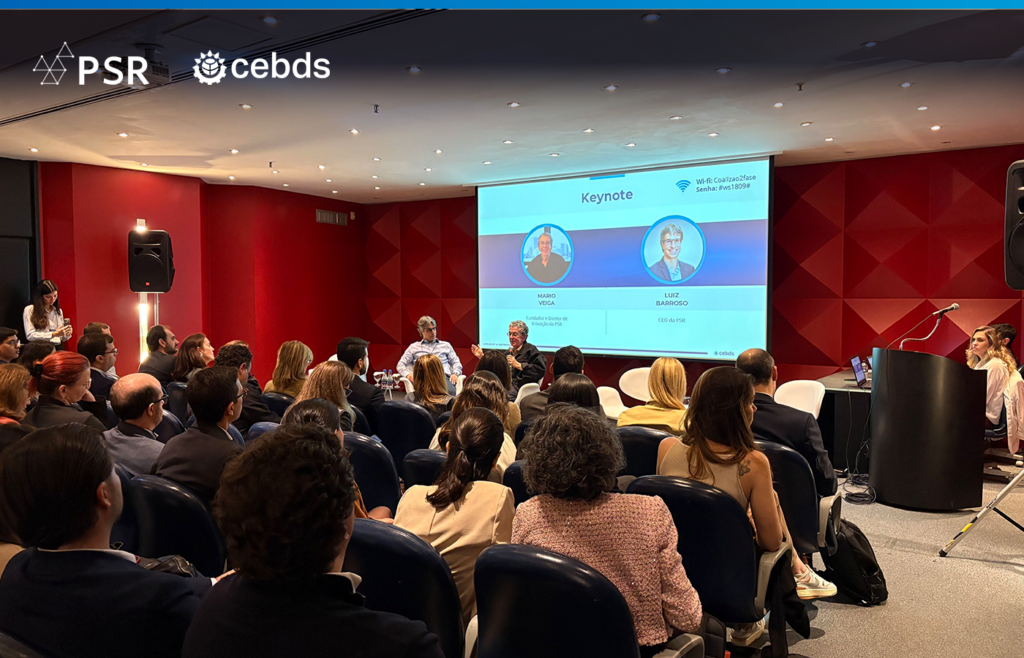








With the goal of boosting discussions about the future of the national electricity mix, PSR, in partnership with the Institute for Climate and Society (iCS), held the workshop “Models for the Efficient Integration of Energy Storage in the Brazilian Electricity System.” The event established itself as a space for debate and engagement among experts, focusing on the importance that battery storage technology plays in the security and flexibility of the energy transition in the country.
Throughout the meeting, participants had the opportunity to follow and discuss the main results of a new series of five reports developed by PSR. The discussions integrated the different dimensions addressed throughout the project, starting with the diagnosis of current needs for flexibility, reserve and availability of power and going through the detailed analysis of international experiences in consolidated markets. The debate also delved into the urgent regulatory challenges for attracting investments and evaluated, through simulations, the most efficient operational models for batteries in the national scenario.
Beyond the strictly technical and market aspects, the workshop provided an opportunity to reflect on the human and territorial dimension of the energy transition. Experts discussed the socioeconomic impacts of storage systems, highlighting their potential for inclusion and strengthening of traditional communities and vulnerable regions.
Bringing together around 300 participants in both in-person and online formats, the event reinforced the importance of sectoral cooperation for Brazil to build consistent regulatory and operational pathways, making the most of the benefits of storage for a more resilient and sustainable electricity system.
Throughout the meeting, participants had the opportunity to follow and discuss the main results of a new series of five reports developed by PSR. The discussions integrated the different dimensions addressed throughout the project, starting with the diagnosis of current needs for flexibility, reserve and availability of power and going through the detailed analysis of international experiences in consolidated markets. The debate also delved into the urgent regulatory challenges for attracting investments and evaluated, through simulations, the most efficient operational models for batteries in the national scenario.
Beyond the strictly technical and market aspects, the workshop provided an opportunity to reflect on the human and territorial dimension of the energy transition. Experts discussed the socioeconomic impacts of storage systems, highlighting their potential for inclusion and strengthening of traditional communities and vulnerable regions.
Bringing together around 300 participants in both in-person and online formats, the event reinforced the importance of sectoral cooperation for Brazil to build consistent regulatory and operational pathways, making the most of the benefits of storage for a more resilient and sustainable electricity system.