






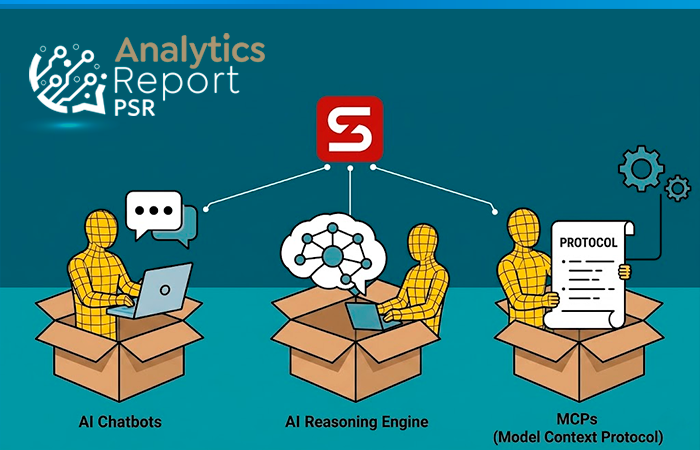
PSR has released the third edition of the Analytics Report, a free quarterly publication dedicated to analytical models, methodologies, and applications for the energy sector. The new edition focuses on artificial intelligence, which is becoming a core capability in the sector, not only as an automation tool, but as a new layer for modeling, reasoning, software development, and large-scale computing. To organize this discussion, the articles roughly follow the timeline of AI advancements.
The first topic is Deep Neural Networks (DNNs). This edition illustrates this stage with the generation of integrated scenarios of inflows, renewable generation, and temperature, a variable that affects load, equipment performance, and multiple water uses, such as irrigation. Through the PSRCast tool, these scenarios are produced by deep neural networks trained from Global Circulation Models (GCMs), which allows for the incorporation of the impact of climate change into their probability distributions. They then feed PSR analytical tools, such as SDDP, through combined autoregressive (AR) and Markov chain modeling, capable of capturing their complex nonlinear temporal and spatial relationships.
The second topic is Deep Reinforcement Learning (DRL). The edition shows that there is a strong methodological relationship between DRL and the SDDP algorithm, a relationship that was leveraged in the development of SDDeeP, a new operational planning tool that combines the “best of both worlds”.
The third topic is the emergence of generative models, or large language models (LLMs), popularized by ChatGPT. This edition shows how LLMs are being used to develop a suite of AI-assisted user support tools and extensions of the SDDP Platform experience, combining chatbots, Retrieval-Augmented Generation (RAG) systems, Model Context Protocol (MCP)-based agents, and reasoning-supported workflows, supporting users from consulting documentation and operating cases to running simulations and analyzing results.
The fourth topic is the so-called reasoning models, such as Claude and Gemini, which, in a simplified way, result from the combination of the two previous milestones: DRL and LLMs. This edition shows how these models are used to accelerate both the development of new analytical tools (the “mathematics”) and their implementation (the “code”), addressing concepts such as context engineering, prompt engineering, and MCP, as well as the challenges and opportunities of incorporating autonomous agents into complex engineering activities.
The fifth topic, and the most recent, is so-called agentic AI, in which various autonomous models (“agents”) use “skills” to solve a wide range of problems. This issue illustrates this step with a case study in which AI agents “discover” on their own how to optimize the stochastic operation of a hydrothermal system, without any prior knowledge of stochastic optimization methods, interacting with energy models through specialized capabilities and protocols such as MCP.
The final topic of this issue is the use of GPU-based architectures to solve, on a large scale, optimization problems currently processed by CPUs. PSR and NVIDIA maintain a partnership in which PSR’s optimization tools run on NVIDIA’s computing resources, with support from its technical team; the first joint PSR–NVIDIA articles on the results will be released soon.
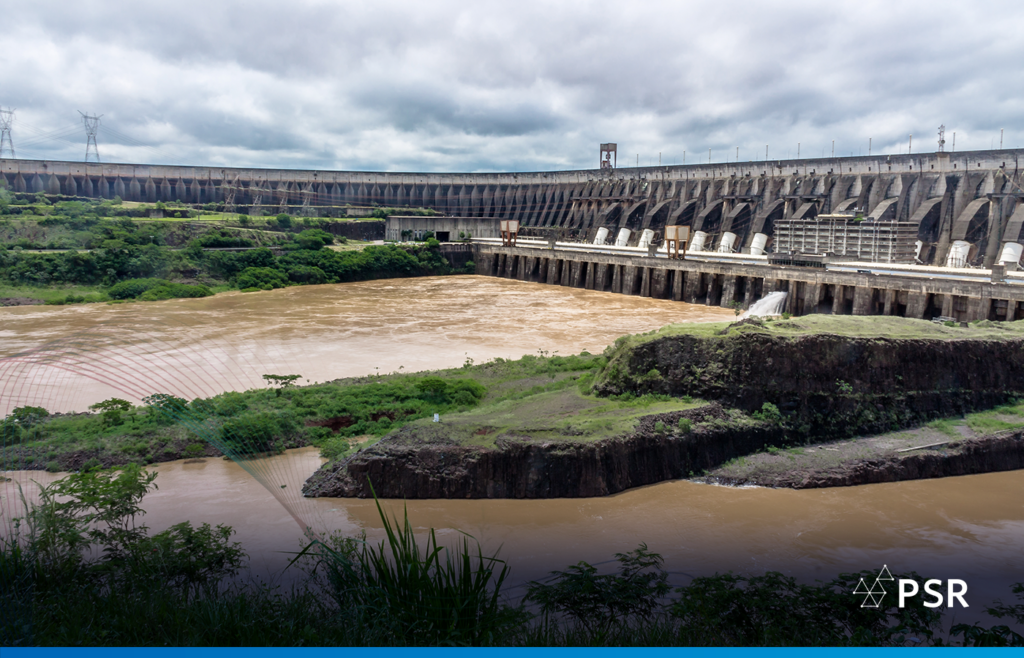
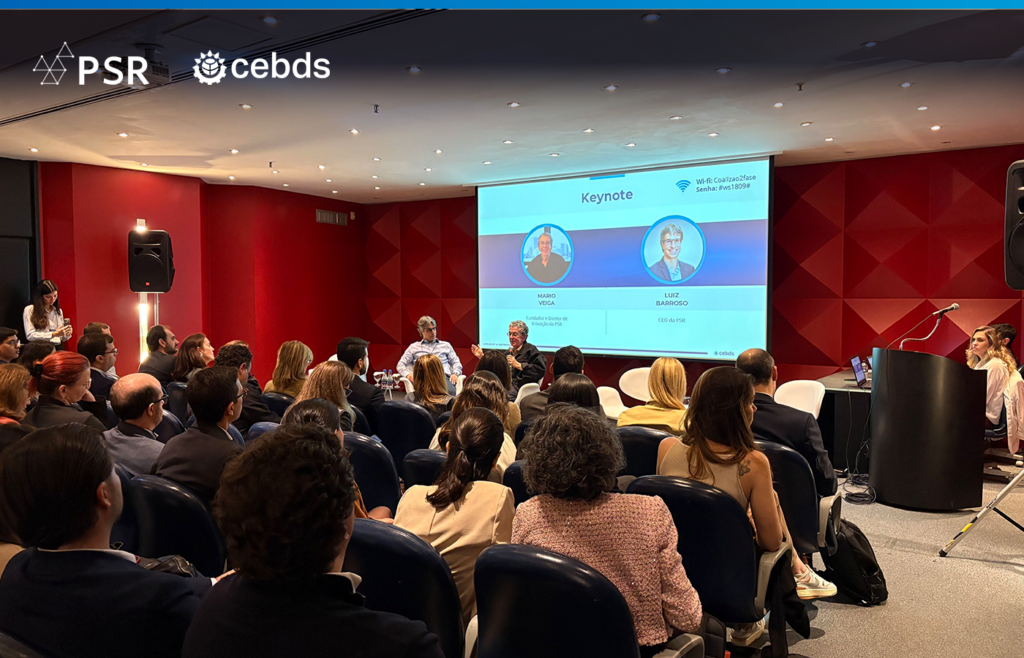
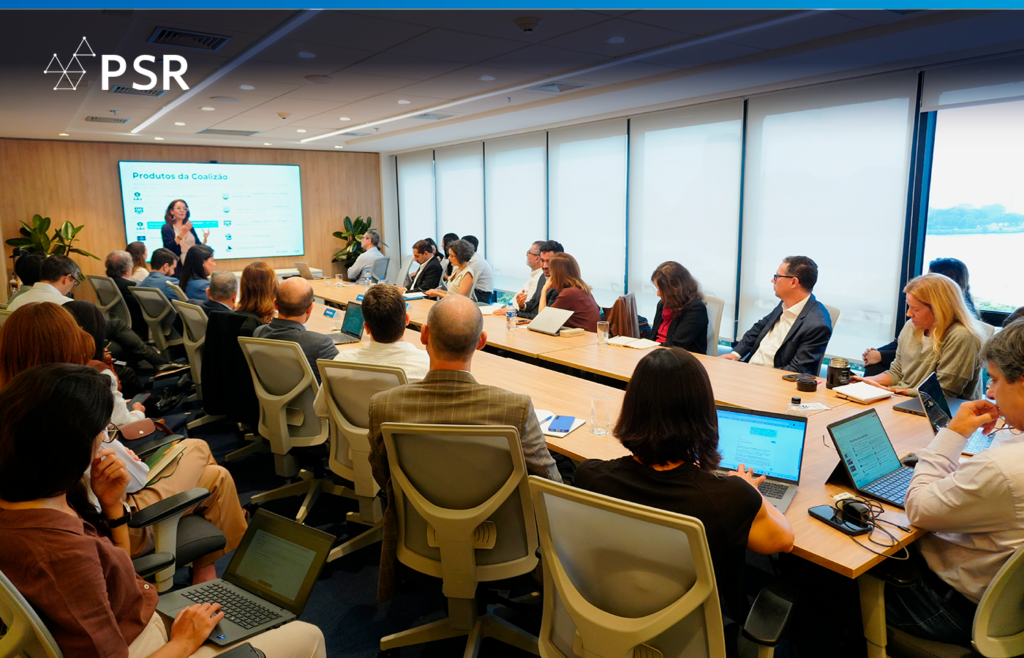
Finally, this issue features a Special Issue dedicated to the PSR User Meeting 2026, held in Foz do Iguaçu. The meeting brought together participants from four continents around two central themes: artificial intelligence applied to energy and the growing complexity of electrical systems. The coverage brings together the main debates and highlights of the event, including the evolution of the SDDP Platform, expansion planning, transmission, energy storage, operational flexibility, data centers and market design, as well as case studies presented by clients from different regions of the world and a technical visit to the Itaipu power plant.
The Analytics Report is a free quarterly publication from PSR and is now available to read in full here.