





R&D&I Projects
Home > Consulting > Research & Development > R&D&I Projects
Browse through all of our Research, Development and Innovation projects.
Search

Analysis for the Improvement of Horoseasonal Signals
The objective of the study is to develop a methodology that creates a tariff signal without distortions, using existing and consolidated system modeling and representation techniques, adapted to the current reality of the system’s production, consumption, institutional, and commercial aspects.
The proposal starts with the main potential causes of production cost differences at different hours of the day and months of the year: variations in short-term marginal costs, differences in loss indices, elevation of the tailrace of hydroelectric plants, and inflexible production during the early morning hours. In this stage, the potential impact of each of these possible sources of cost variations is estimated.
Next, a methodology for applying existing tools is developed with the aim of obtaining hourly and seasonal signals for energy, based on marginal costs, incorporating all items identified as relevant in the first stage that are feasible for consideration within the current possibilities of system modeling. The methodology is being evaluated with a view to its possible incorporation into the tariff realignment process within the scope of the periodic tariff review.

Calculation and Revision of Physical Guarantee Certificates in Brazil
The project’s objective includes the investigation of the technical, economic, and regulatory aspects of calculating Brazil’s physical guarantee; obtaining a solid theoretical and experimental basis that supports the proposed methodologies and criteria for the calculation and review of the physical guarantee; and presenting regulatory proposals for maintaining the stability of the certificates and revising these values based on technical and regulatory aspects.
Broadly, the R&D project proposes that the distribution of the hydraulic block among hydroelectric plants be carried out based on each plant’s spot income (a methodology known as Marginal Benefit), considering an adjustment to correctly calculate the downstream benefit of existing reservoirs. As a result, it is observed that the new distribution methodology results in a fairer allocation of the GF, increasing the value for plants with reservoirs.

Carbon capture in bioelectricity plants
The project aims to evaluate the implementation of carbon capture in bioelectricity generation plants in Brazil on a technical and economic basis, considering the different types of biomass that can be used and the suitable technological alternatives, along with their respective technical yields and economic costs for electricity generation with carbon capture. To meet this objective, various activities are considered, including:
– Identification of biomasses with potential for large-scale electric power generation
– Conceptual examination of the technical yields of converting these biomasses into electricity
– Construction of a technology landscape for carbon capture in industrial plants
– Conducting a proof of concept for carbon capture
– Financial modeling of the business with risk analysis
– Elaboration of a business case

Carbon Footprint Methodology for Generation and Distribution Systems
The development of a methodology for the Light Group aims to calculate Carbon Footprint indicators, considering the entire production chain, by mapping and analyzing boundaries, calculation formulas, improvement indicators, and calculating the confidence interval of the measurements found.
The development of a methodology for the Carbon Footprint follows the same process, regardless of the nature of the energy company (distributor or generator). The differences lie in the results of each of the stages described below. Variables such as company size, geographical dispersion, or operational complexity alter the need for work hours and available resources.
Case Study: Modeling Steel, Descarbonization, Options in Brazil
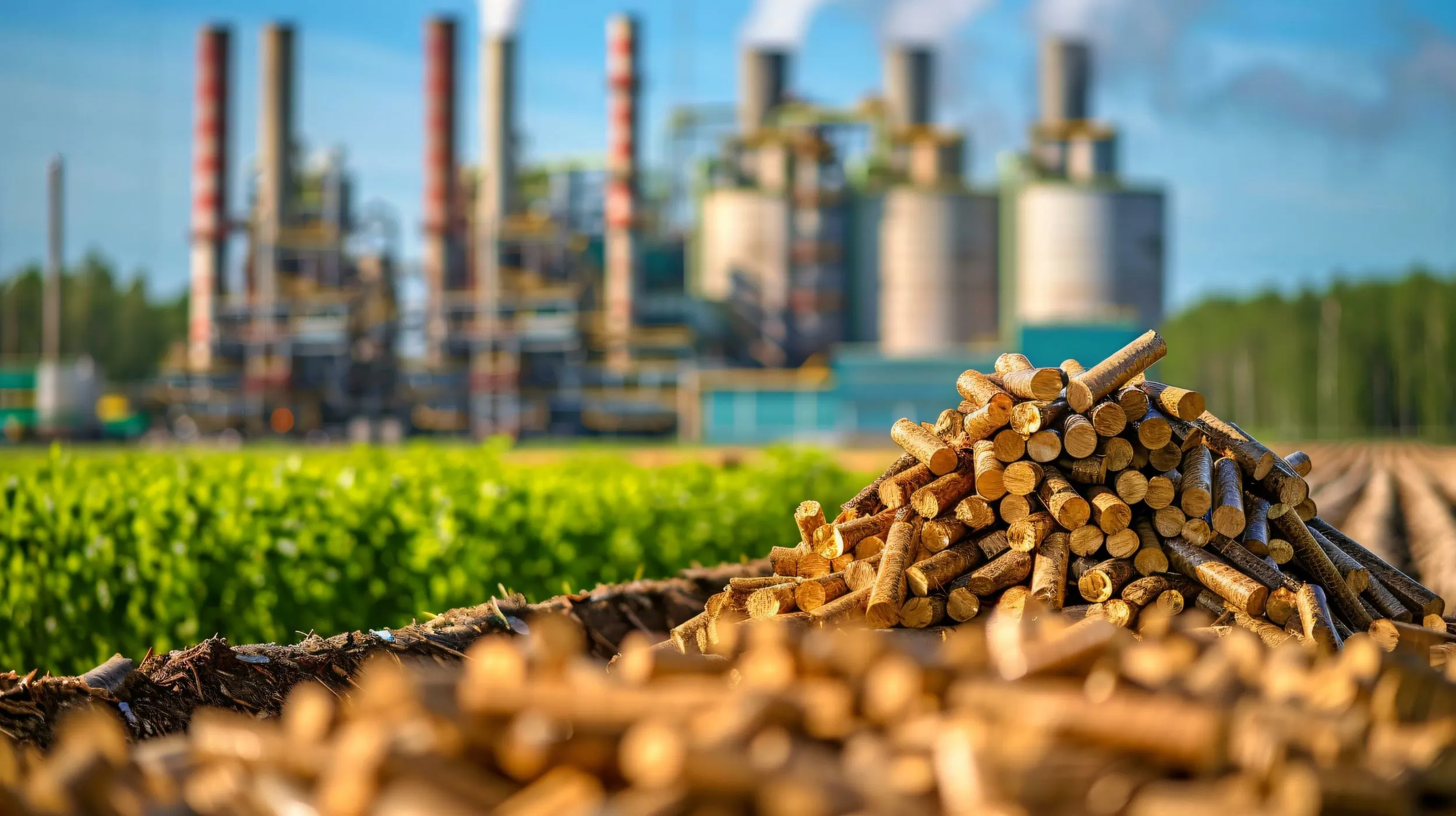
The case study addresses the feasibility of using innovative energy technologies, such as biomass/biochar, agricultural residues, solid waste and urban effluents, as alternatives to charcoal in integrated steel plants that use coke. Using the CarbSteeler software developed by PSR, this study serves as a model for other plants in the country, aiming to improve the understanding of relevant innovative technologies, energy sources and crucial variables in the assessment of the economic and technical feasibility of adopting different raw materials and in the continuous development of projects.

Cash Flow Assessment Model for Generation Projects with Alternative Sources
The objective of this project is to propose a methodology and a computational model in Excel to identify and reify the risks of each generation investment alternative so that they can be compared on the same basis, thus assisting agents in their investment decisions. It is proposed to use a methodology based on the risk-return concept to compare all projects, where the IRR under risk conditions is determined, taking into account the complementarity resulting from a diversified portfolio. The focus is on renewable energy projects, but the computational system is generic enough to accommodate other generation sources, as well as synergies with Light’s portfolio.
Initially, a mapping of risk factors and project pricing is carried out: at this stage, the main risk factors of each generation technology are identified, such as hydrological risk, environmental risk, construction risk, technological risk, exchange rate, and fuel. For each of these items, it is proposed to translate the risk factors into scenarios with their respective probabilities of occurrence. In this way, the system allows the user to model the uncertainty of the investment cost through scenarios with different investment cost values, each associated with different probability values. Additionally, the user can generate different scenarios for the evolution of indexers, in order to capture the risk of investment indexing and combine it with other risks also modeled. The regulatory agency (in the Brazilian case, ANEEL) establishes a series of strict financial penalties in case of delay in the plant’s entry into operation. The modeling of these penalties and the simulation of possible delay scenarios are included in this system. The user can model the uncertainty in the plant’s entry-into-operation date through scenarios with different delay periods and different costs associated with this delay (this cost can even be linked to the PLD), each associated with different probability values. With this, the user can simulate the impact on the project’s profitability of these possible delays, combining this risk with other risks also modeled. Subsequently, a model for evaluating investments under uncertainty is proposed, which determines the competitiveness of a generation project by considering its risks, uncertainties, and according to the entrepreneur’s degree of risk aversion. Finally, the last part proposes a methodology for comparing different generation investment technologies by considering their intrinsic uncertainties and risks, illustrating how to calculate the risk premium of each investment alternative and verifying the impact of each project’s intrinsic uncertainty on the variance of its expected return. The methodology can also be extended to analyze a portfolio of projects, determining the gain from combining different generation asset investments in the same portfolio versus the individual candidate projects.

Combinatorial Auction System for Capacity and Energy Products in the Brazilian Electricity Sector
This R&D project aims to propose a new auction system that allows the efficient contracting of the necessary attributes for the Brazilian Electric System (SEB) – especially energy and production backup, in order to guarantee the adequacy of supply and allowing the participation of different generation resources, storage systems, and demand response. The project is divided into five stages: (i) Literature Review, including analysis of international experiences related to multi-product auctions, specifically aimed at the commercialization of electric energy and products related to supply security; (ii) Proposal of a systematic for combinatorial auctions, involving the elaboration of the design, algorithm, and systematic of combinatorial auctions, based on the new market design proposed for the Brazilian Electric Sector; (iii) Development of the computational tool, involving the development of a tool to solve the optimization problem defined in the previous stage; (iv) Workshops, including the holding of three workshops with the objective of disseminating knowledge to internal and external audiences, as well as collecting new visions on the topics; and (v) Technical Report and proposal for the implementation of Combinatorial Auctions, including the consolidation of suggestions for improvements received in the workshops on the proposed design and the need for regulatory adjustments to adapt to the changes proposed in the new auction design.

Demand, Price, and Capacity Forecasting for Energy Markets
The objective is to develop a computational model specified from a complete and conceptually robust mathematical formulation, capable of projecting the evolution of demand and prices for energy and backup capacity for both the free and regulated markets, considering the insertion of distributed generation.
The model is structured in Julia. To re-establish the dynamic between the regulated and free markets, a stochastic market equilibrium is used, which integrates multi-stage stochastic optimization and game theory. For the modeling of the agents, it is considered that each of them seeks to maximize their risk-adjusted expected revenue, using the CVaR metric. To establish the equilibrium, the maximization of Welfare is used, that is, to maximize the sum of the objective functions of all agents, respecting the risk profile of each one, with MOPED being used for modeling the constraints. Furthermore, the developed model is integrated with the OptGen (expansion optimization) and OptFolio (contracting optimization from the agent’s perspective) models, to evaluate how the generator’s perspective differs from the centralized planner’s view regarding the viability of building new generation capacity, and to determine the expansion with the lowest systemic cost.

Development of a Platform for Managing Availability and Commercialization Risks of Power Generation
The objective of this project is to develop an integrated risk management platform for Light’s energy generation commercialization sector. Within this environment, the decision-maker has access to integrated risk management and portfolio optimization tools, which assist in both controlling the risk and profitability of the company’s current situation and in making commercialization decisions for new assets.
In order to adapt the tool to the company’s reality and the actual environment it is subject to, latent risk factors are mapped and modeled, which are integrated into the platform to consider them when outlining new strategies and performing analyses.
The platform is designed to be compatible with a global risk management policy of the company. In other words, this environment is capable of incorporating the constraints and objectives specified for the generation sector, stemming from a corporate risk policy adopted by the company as a whole, and supplying it with the results obtained through both performance indicators and outcome scenarios. In this regard, risk measures and their applicability in realistic contexts are researched to provide risk indicators that are easy to interpret financially and have great power over the control of the modeled risks.
For this purpose, training courses on risk management and the practical use of this platform are provided, with the aim of equipping decision-makers with knowledge and intuition about the models and techniques that the company has at its disposal.
Development of the Natural Gas Market in Brazil for Electric Power Generation
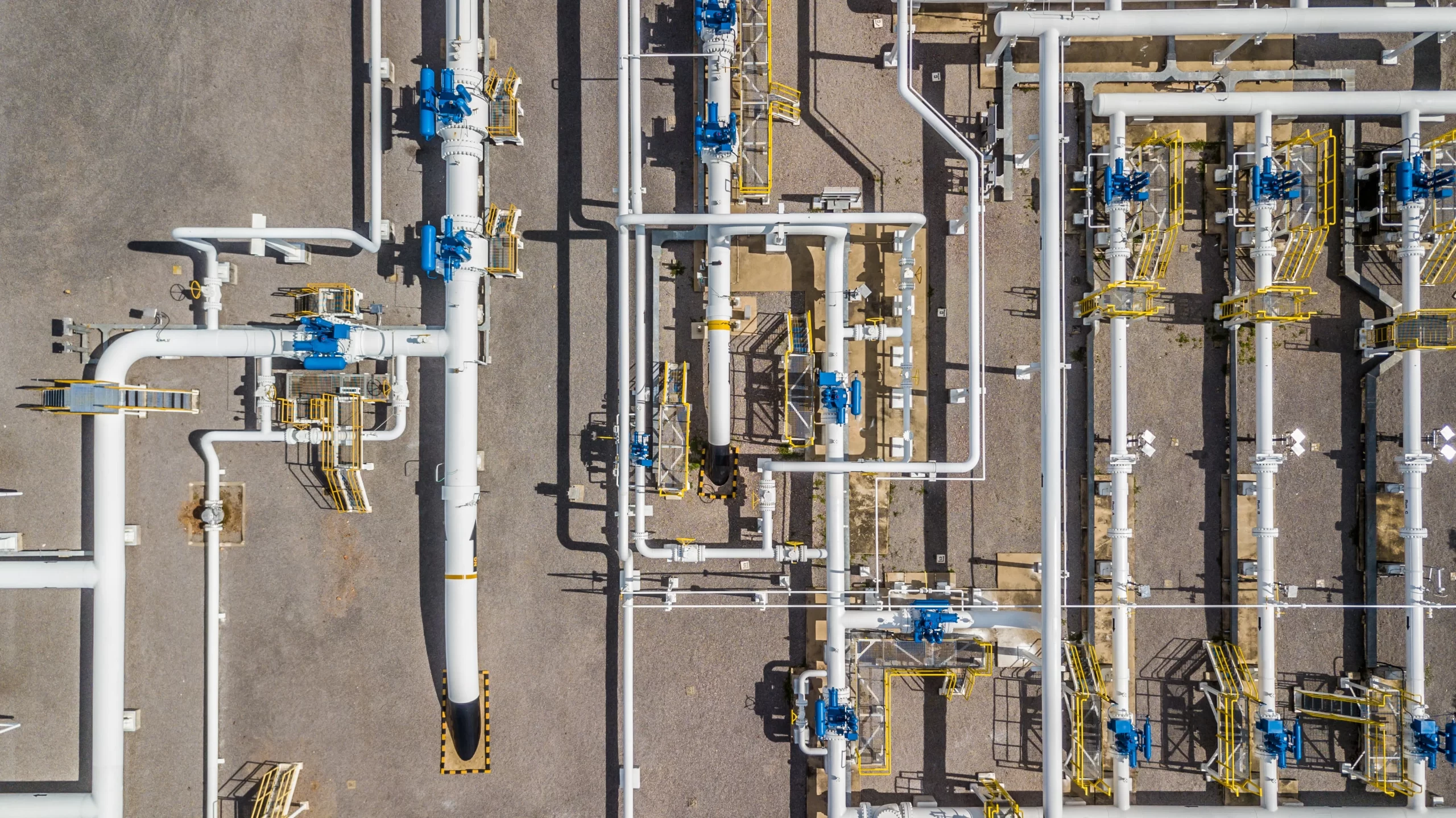
The general objective of this project is to build a vision for the gas market in Brazil, proposing regulatory, political-institutional, and structural actions to ensure its development and optimal interaction with the electricity sector.

Economic and Socio-environmental Model for the Production of Hydrogen and Low-Carbon Products in the Sugarcane Industry
The objective of this project was to analyze the low-carbon energy products that can be produced from sugarcane, including hydrogen, biogas, ethanol and SAF, focusing on verifying their production potential and competitiveness against other routes. For this purpose, an analysis of the existing and future market for each of these products was carried out and the OptBio computational tool was developed, capable of optimizing the use of sugarcane to obtain the highest return from the production activity.
Feasibility and Regulatory Aspects of Hydrogen Produced via Electrolysis
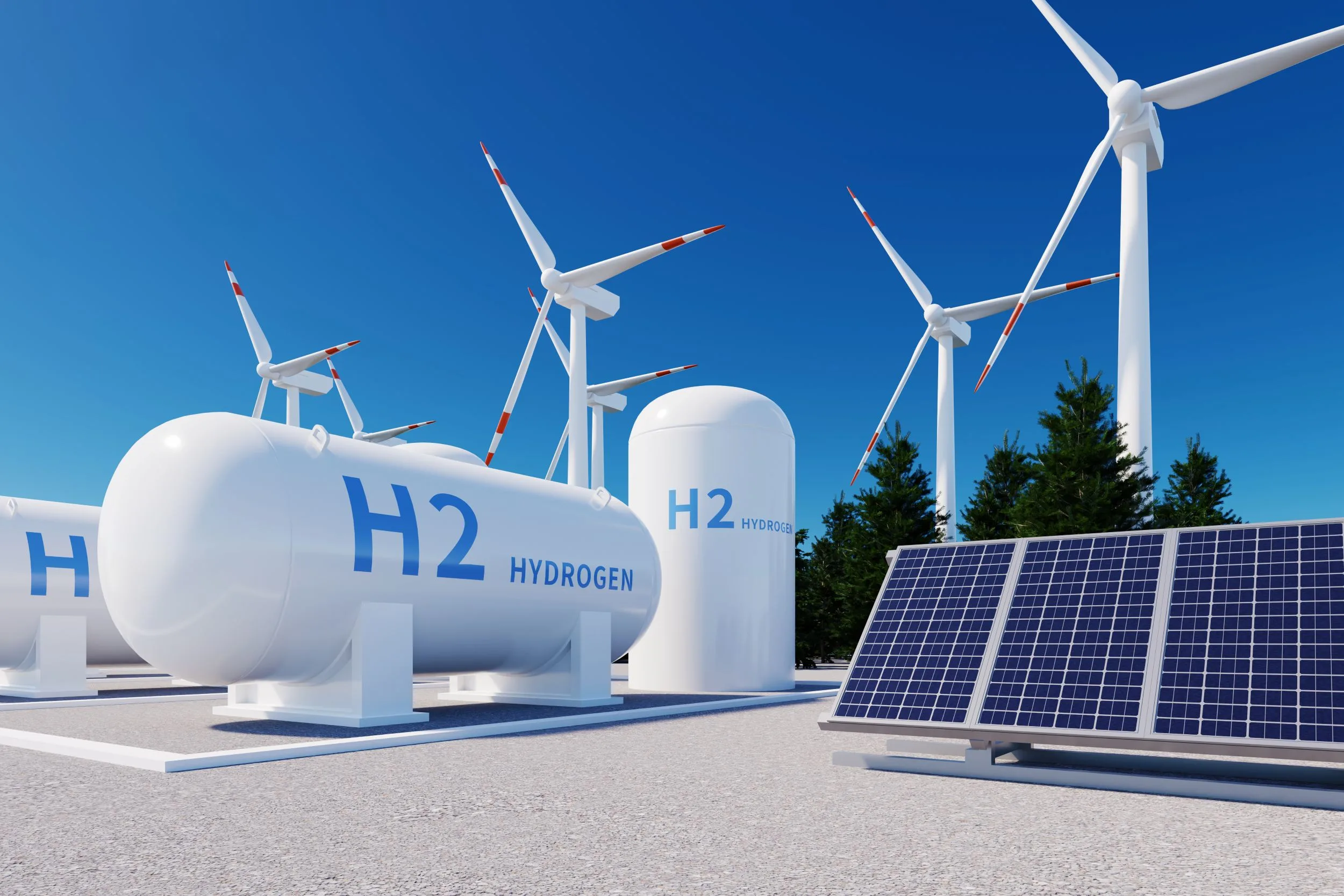
The project considers four main products: Methodologies for studies on the topic of hydrogen; Market design for the use of H2 as an energy source in Brazil; Green H2 Production Plant with a capacity of 1 MW; National hybrid energy conversion system with active IGBT rectifiers.

Generation Assessment System (Genesys) – Software Redevelopment
This project aims to provide a modeling software that updates and enhances the GENESYS model used by the client to better understand the impacts of changes in the operation of the hydroelectric system on the regional energy system and to develop its regional energy plan. The redesigned modeling software has the following features: (i) Improve the software’s hourly simulation of generation resource operation (maintaining the Monte Carlo method); (ii) Allow the inclusion of additional random variables for the Monte Carlo simulation; (iii) Evaluate other possible adequacy measures; (iv) Incorporate reserves into an optimized dispatch; (v) Improve market representation; (vi) Include fuel accounting and forecast error; (vii) Model variable generation resources, such as wind and solar. The project also includes training for the client’s employees on the developed model.
Hourly Stochastic Operation and Power Reserve for the Brazilian Interconnected System (SIN) with Renewable Source Uncertainties
A new methodology and computational mathematical model that incorporates the results of DESSEM, but with hourly resolution, representing operation under demand uncertainty and increasingly intermittent production, co-optimizing the short-term operational power reserve in a probabilistic manner.
The number of constraints in the stochastic dispatch problem is reduced due to the affine rules technique. The first set of equations and constraints in the model represents a ‘reference operational trajectory,’ given by the maximum likelihood estimate of the weighted scenarios for demand, renewables, etc. A second, additional set of equations and constraints represents the fact that the actual values of renewable production and demand, each hour, are different from the forecasts. As a consequence, an operational adjustment (a deviation from the reference trajectory) is necessary. The decision variables of the optimization problem under uncertainty are the adjustment coefficients for each generator (similar to Automatic Generation Control), known in the literature as affine decision rules. The final problem corresponds to a large-scale mixed-integer programming (MIP) model. An additional result of the model is the dynamic generation reserve.

Increase in Expansion Auctions in the Institutional Model of the Electric Sector
This project aims to develop studies that lead to the improvement, formatting, and dissemination of regional electricity auctions for the free market, and to the development and operationalization of expansion auctions to add capacity to meet the national electric system’s peak load.
Insertion of Battery Storage Systems into the Main Grid
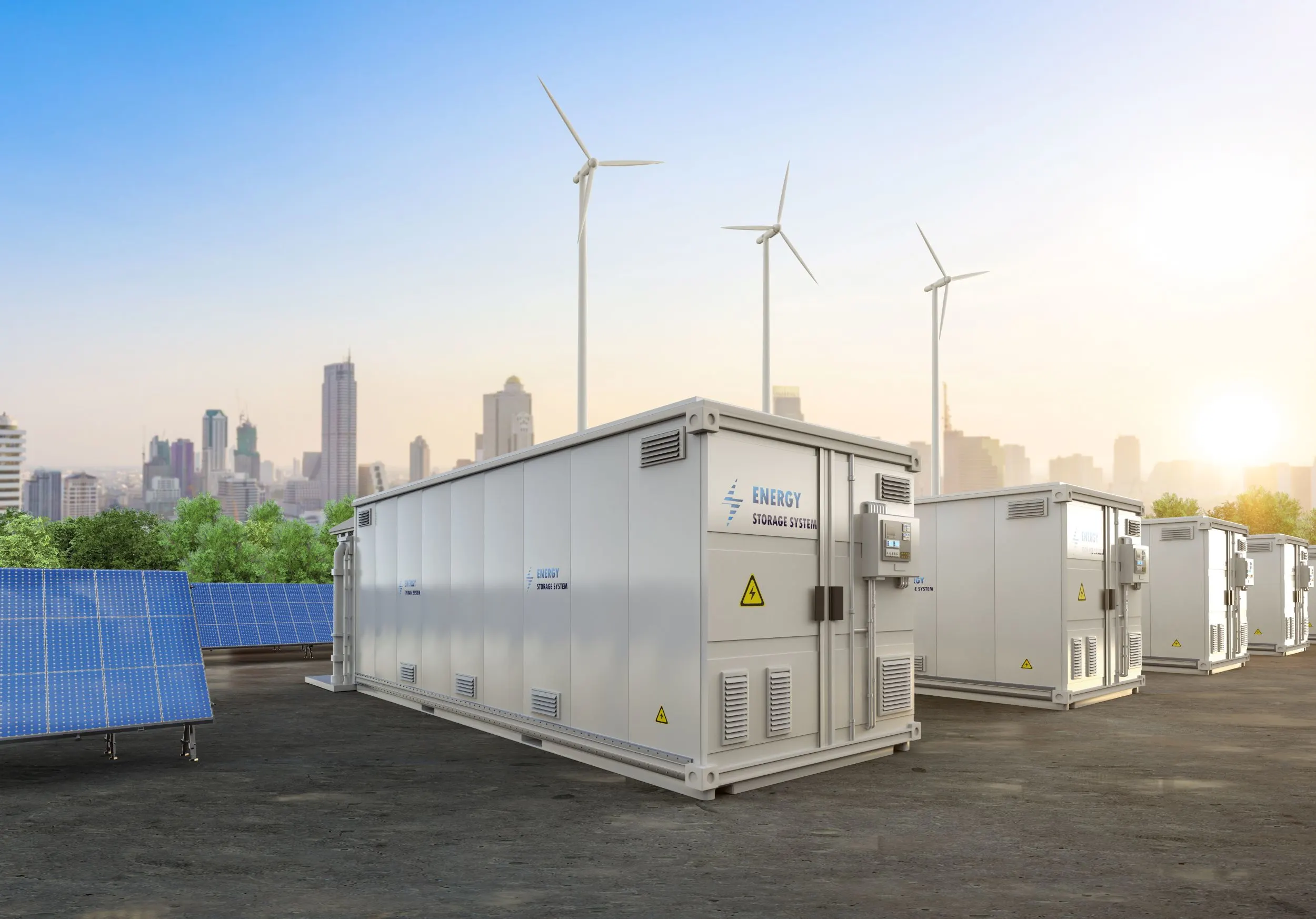
Development of a methodology for valuing the energetic, electrical, and systemic attributes of using BESS (Battery Energy Storage Systems) in the National System, aiming to increase flexibility, reliability, and resilience in the presence of intermittent renewable sources.
Integrated and Flexible Transmission Systems Planning
This Research and Development Project aims to: (i) develop methodologies to determine the most suitable portfolio of equipment and operational procedures that maximize the flexibility and reliability of the transmission system; (ii) develop computational models for the simulation of flexible transmission systems; and (iii) design proposals for a regulatory framework that encourages the adoption of the most efficient portfolio and ensures the remuneration of investments.
Integration of Storage to Support Wind Power Generation
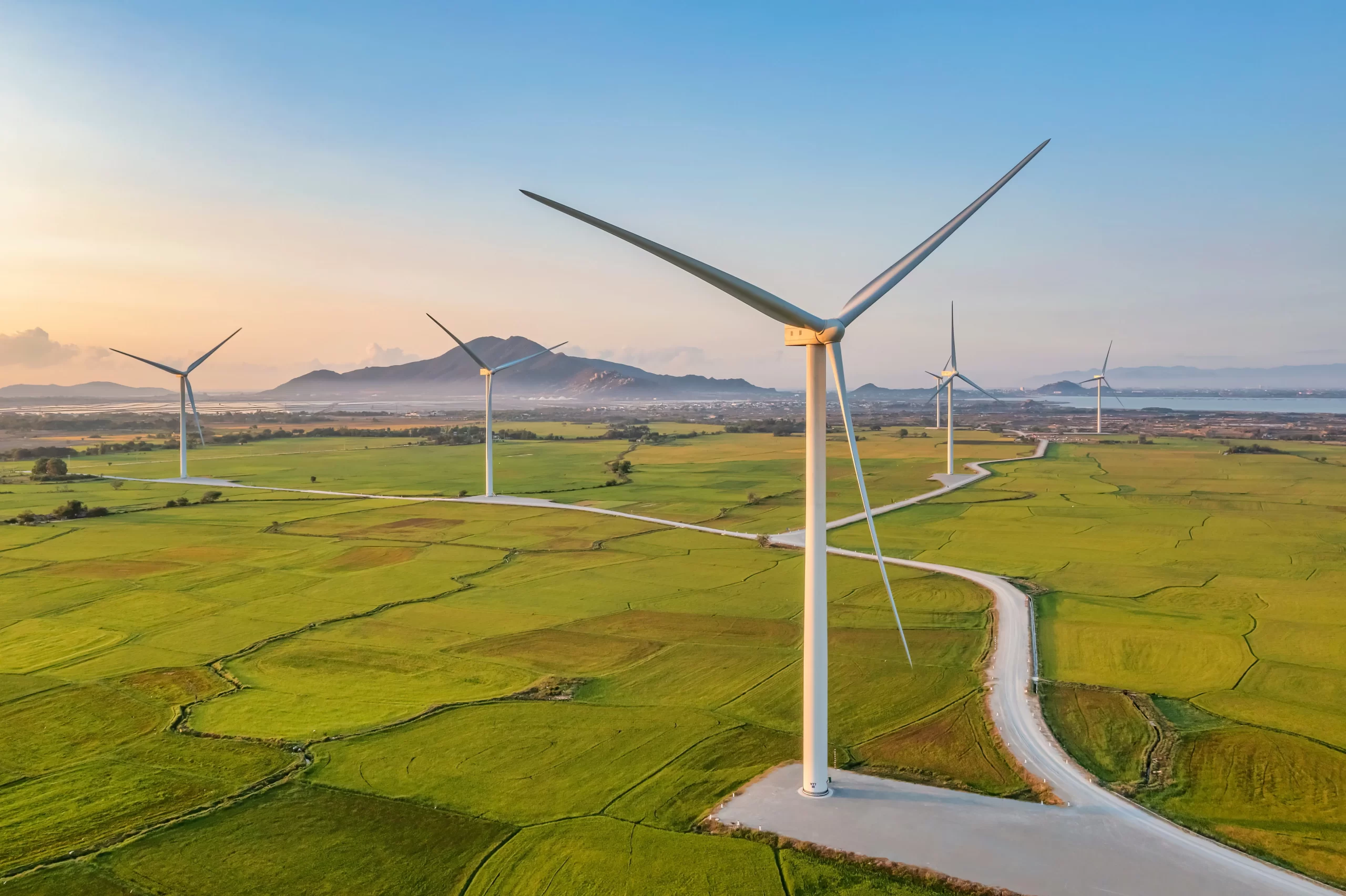
The study has the following activities: (i) apply storage systems to support the operation of wind power plants; (ii) develop a methodology that provides the correct sizing and most appropriate location for such systems; (iii) international analyses; (iv) evaluation of the benefits of storage systems for the interconnected system; (v) evaluate possible market models; and (vi) analyze the current difficulties for the implementation of these systems.
Investigation of the factors that interfere with the performance of the MRE
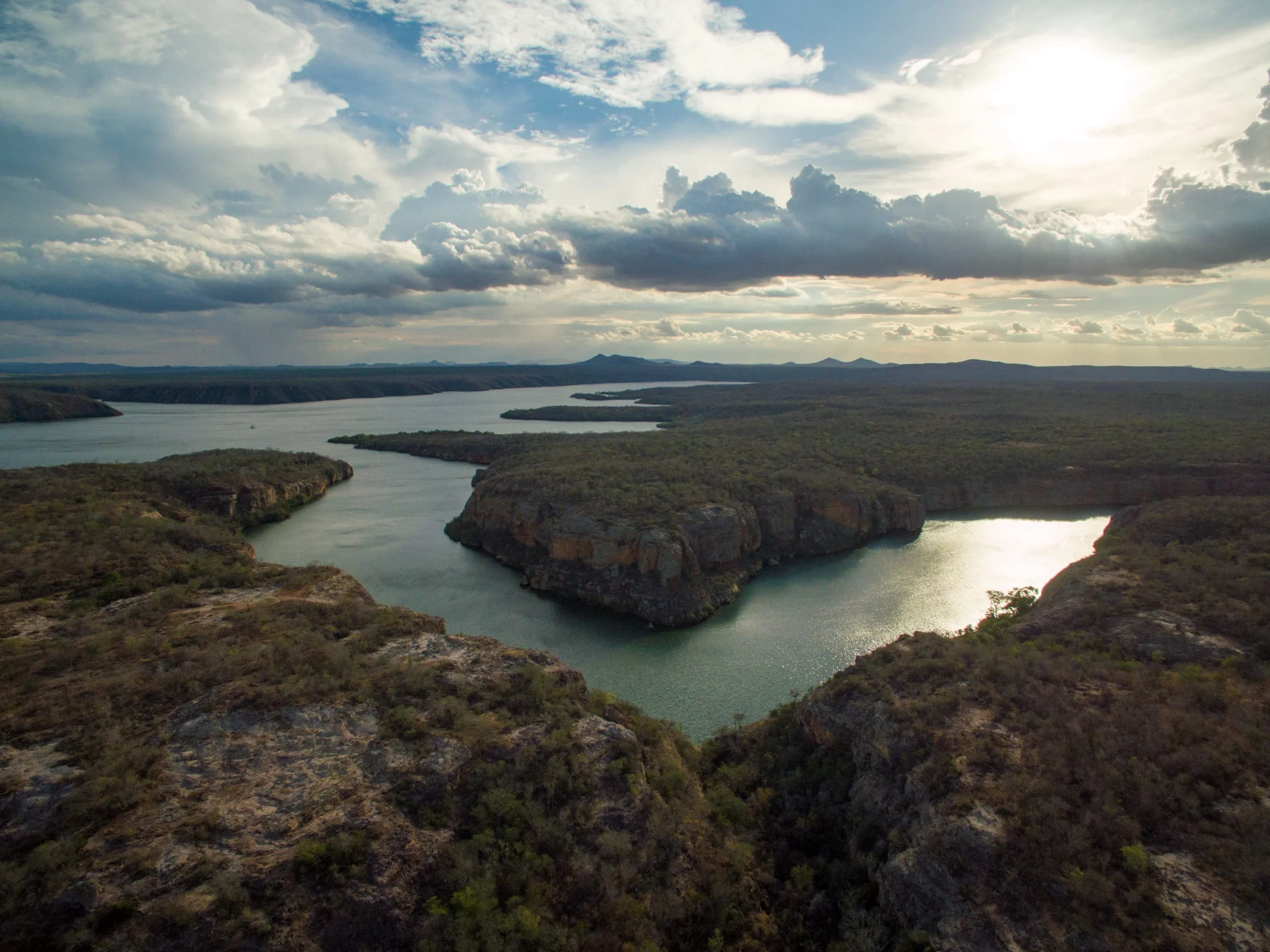
This R&D project investigates the factors that interfere with the performance of the MRE, includes a case study in the São Francisco river basin, and identifies consumptive uses from meteorological data and satellite images and the net evaporation of reservoirs. To achieve this, it applies artificial intelligence techniques.
Life Cycle Assessment in Electricity Generation and Storage in Brazil: A Socio-environmental and Energy Approach
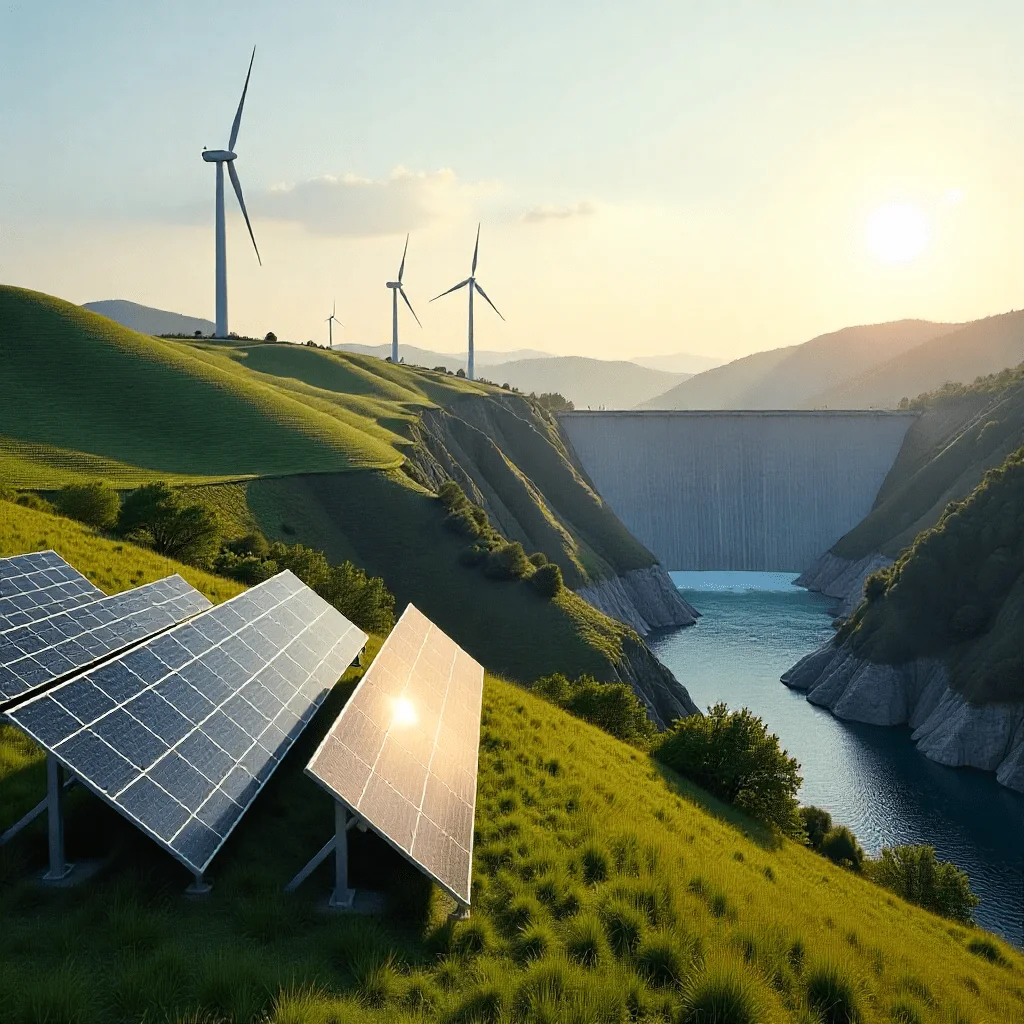
This project aims to propose a methodology for the spatio-temporal life cycle assessment of energy generation and storage systems, based on a socio-environmental and energetic approach. The adoption of this methodology allows for the comparison between systems, in order to support decision-making processes in national planning across different time horizons and regions. The central themes that make up the study, as applied to the systems under consideration, are: (i) Spatio-temporal life cycle assessment (LCA); (ii) Assessment of impacts on biodiversity and landscape ecology to be included in the LCA; (iii) Social life cycle assessment (S-LCA); and (iv) Energy return on energy investment (EROI).
The following electricity generation and storage systems are evaluated: (i) Hydroelectric power plants; (ii) Natural gas thermoelectric plants; (iii) Sugarcane biomass generation plants; (iv) Solar photovoltaic plants; (v) Wind power plants; (vi) Pumped-storage hydropower plants; (vii) Lithium-ion batteries.
Finally, a computational tool is built to support decisions regarding the expansion of electricity generation in Brazil.
Methodology for determining the Distribution System Usage Amount (MUSD) procurement strategy
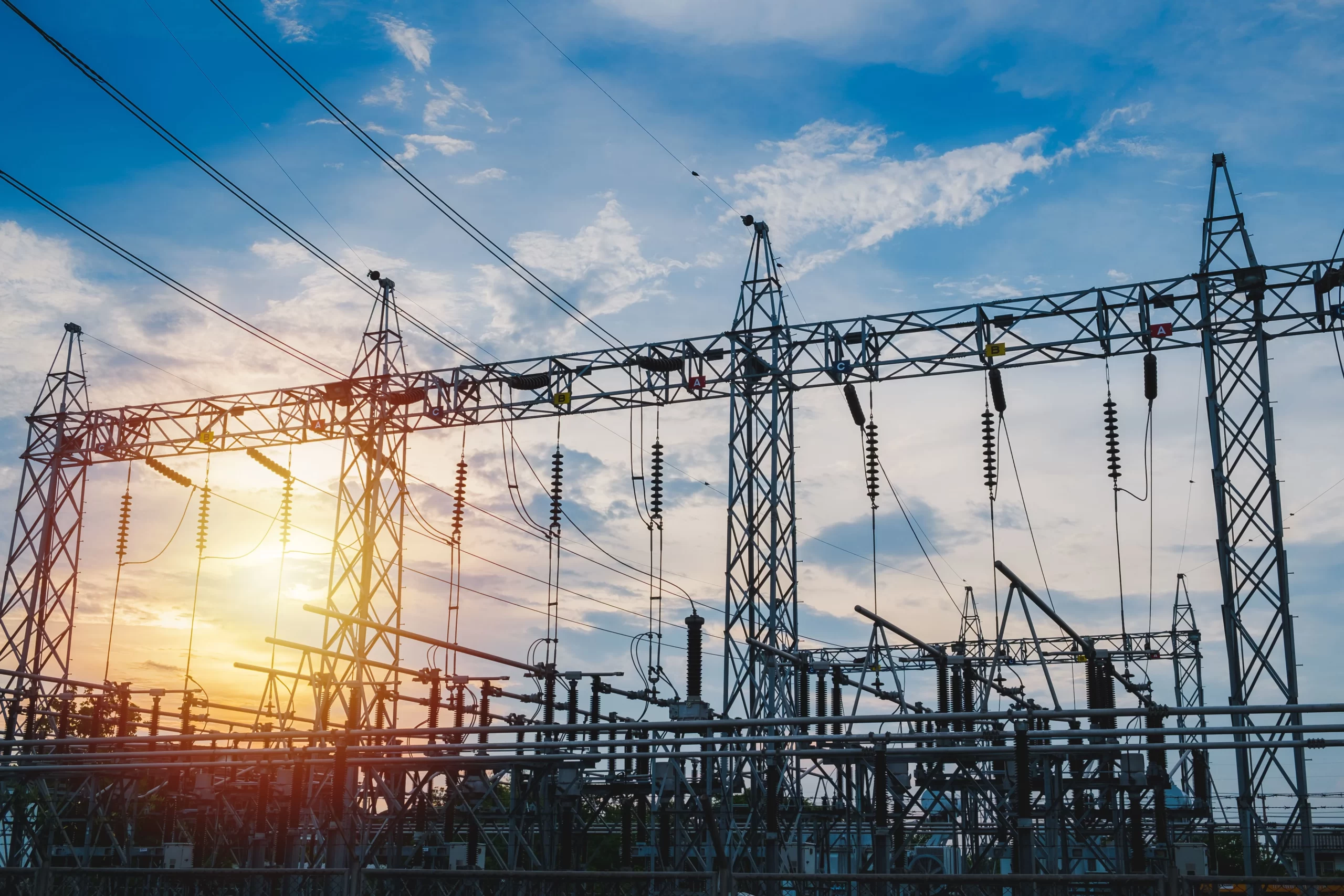
Methodology and computational tool for determining the optimal MUSD (Maximum Contracted Demand) to be contracted at the connection points between the distribution network and the Supplying Companies, based on simulations that capture uncertainties related to distributed generation, demand, and equipment availability.
The technique employed is based on:
Stochastic approach: creation of temporally and spatially coherent scenarios for the internal generation and load of the distribution system and the rest of the NIS (National Interconnected System).
Sampling: both time series and non-parametric sampling techniques are used for sampling generation and load scenarios.
Integration: the internal system of the distributor and its relations with the NIS are integrated to create load and generation scenarios.
Simulation horizon: the multi-year simulation horizon (4 years) is discretized into 15-minute time intervals, and power flow simulations are performed for each temporal discretization.
Analysis: firstly, all cases corresponding to 15-minute temporal discretizations are probed by linearized power flow without losses, and then simulations are run for the most severe cases at the connection points, with loss representation.
Integrated contracting: the MUSD/MUST (Maximum Contracted Demand/Maximum Contracted Energy) is contracted under a risk criterion using a classic mathematical programming approach.
Methodology for Selecting Locations for the Implementation of Pumped-Storage Hydropower Plants
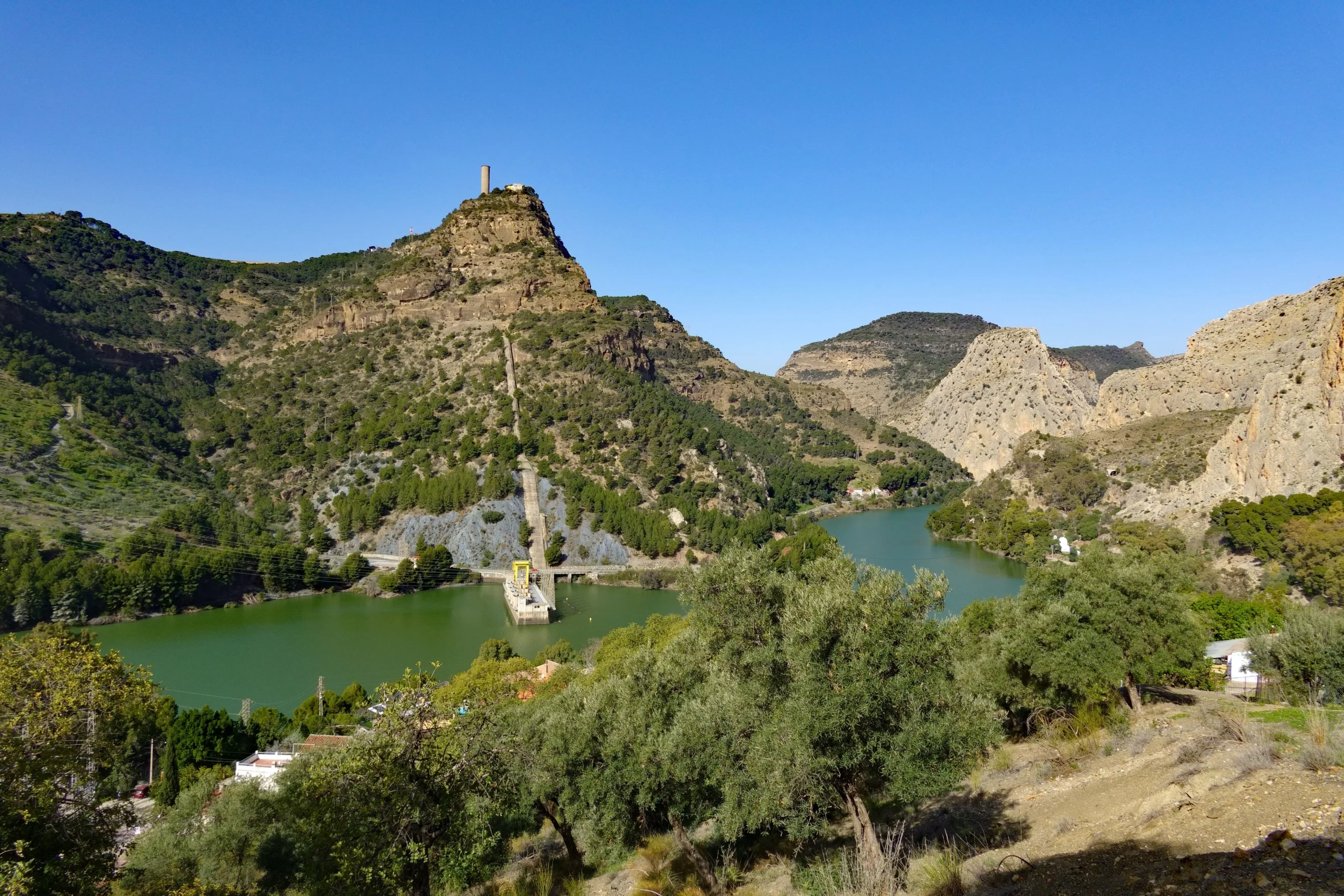
This R&D project develops a tool to identify locations for pumped-storage hydropower (PSH) projects, considering both closed-loop and open-loop systems (using an existing river or reservoir as an upper or lower reservoir). The system uses a digital terrain model and other information layers, such as the electrical grid, preservation areas, and more. Follwoing that, it focuses on promising areas to optimize the location of the PSH projects and carry out the engineering design (including determining the project budget for civil works and equipment). With this bottom-up approach, it is possible to create interesting projects of various sizes (capacity in MW and storage capacity in MWh). Finally, a top-down approach uses an integrated resource planning to evaluate which of these projects are viable for the electrical system, considering the various services provided by the projects, such as energy, capacity, reserves, and reliability.

Mineral Coal Supply Optimization System for Thermal Power Plants (MOCCA)
The project aims at the development of CCOM (Coal Contracting Optimization Model), a system that optimizes the contracting strategy and the transportation schedule for mineral coal for thermoelectric power plants. The project’s activities include: (i) Mathematical formulation of the coal acquisition optimization model; (ii) Specification of the optimization system; (iii) Implementation of the optimization model; (iv) Implementation of the data management interfaces; and (v) Implementation of auxiliary models for result analysis.

Modelagem de Termelétricas e Terminal de Regaseificação para Nomeação de Cargas de GNL sob Incertezas
This project resulted in the development of the GNoMo software, focused on modeling and optimizing the operation of thermal power plants integrated with regasification terminals. The operation manages the acquisition of Liquefied Natural Gas (LNG) in a complex scenario involving maritime transport, floating storage (FSRU) and uncertainties in energy dispatch. To face challenges such as adverse weather conditions, logistical delays and price volatility, the tool uses advanced stochastic optimization techniques, minimizing operating costs and mitigating financial exposure risks. In addition to daily operation, the software enables investment analysis, simulating expansion scenarios such as new storage units and integration with the gas grid.

Modernization of Electricity Distribution Tariffs
Support in the execution of Research and Development activities for Subproject 3 – Impact Analysis of the Electric Energy Distribution Tariffs Modernization Project (R&D Modern Tariff)
The Modern Tariff project was conceived with the objective of analyzing different tariff methodologies for the Distribution segment and proposing appropriate methodologies for the Brazilian case. These new methodologies are capable of addressing the challenges faced by the sector in the context of technological transition and changes in consumer behavior. The project is put into practice through three subprojects.
Subproject 1 – Sectoral Strategic Vision focuses on taking a strategic look at the changes occurring in the international electricity sector to observe the main trends and challenges worldwide. From this international perspective, Subproject 1 seeks to translate these trends to the context of the Distribution segment of the Brazilian Electric Sector (SEB), resulting in scenarios for the diffusion of distributed energy resources.
Based on the analyzed strategic scenario, Subproject 2 – Tariff Design Methodologies for Wire Service and Implementation Challenges aims to evaluate existing tariff design methodologies to propose new tariff modalities for the SEB, considering the scenarios of distributed resource diffusion. Given its importance and complexity, the scope of Subproject 2 is addressed by two executors: one dealing with short-term tariff proposals and the other with the elaboration of long-term tariff proposals. In this sense, various proposals for wire tariff methodologies are simulated using real data from the Brazilian context. Furthermore, in this subproject, simulation tools are generated to facilitate the analysis of the proposals by sector agents and disseminate knowledge. Also within the scope of Subproject 2, a sample survey is conducted with residential and commercial low-voltage consumers in urban and rural areas with national geographical coverage. The survey allows for evaluating consumer understanding of their tariff and bill, as well as consumer acceptance of new forms of pricing.
Finally, Subproject 3 – Regulatory Impact Analysis qualitatively and quantitatively evaluates the impacts of each proposed tariff modality resulting from Subproject 2 on agents in the consumption, generation, and distribution segments. The impact analysis considers technical and regulatory aspects of the Brazilian electricity sector and the development of software to evaluate consumer behavior regarding the possibility of meeting demand response or inserting distributed generation and storage in their homes.

New regulatory models for compensating future distributors
The objective of this project is to propose improvements to the current regulation that incentivize new remuneration models for distributors, suitable for the inevitable insertion of Distributed Energy Resources and, with them, the possible creation of Distributed Service Platforms.
This involves mapping and analyzing international experiences in the regulation of electricity distribution aimed at the insertion of DERs and distributed service platforms, followed by a diagnosis of the current regulation in Brazil vis-à-vis the international experience. With these inputs, and considering an analysis of the trends and impacts of Distributed Energy Resources on the electricity sector (and, in particular, on the electricity distribution activity) and distributed service platforms, an initial proposal for improving the current regulation of energy distribution is constructed. This proposal is then subjected to a qualitative analysis (through SWOT matrices) and a quantitative analysis (with the two simulation models built in the project). The results of these analyses lead to the consolidation of the final version of the proposal for improving distribution regulation.
Planning for Generation-Transmission Expansion with Pumped-Storage Hydropower Plants
The main objective of the project is an extension of the HERA computational model to include a methodology for evaluating reversible power plants as flexible resources in transmission planning. The idea is to develop models that evaluate the insertion of these plants in the most suitable locations of the SIN transmission grid as a cost-benefit solution, minimizing or even avoiding new investments in transmission lines.

Project META II – Price Formation
This project aims to indicate the main advancements needed to promote economic efficiency in the use of energy resources and in the economic signaling given by the short-term price. Additionally, it seeks to evaluate the advantages and disadvantages between cost-based and offer-based pricing mechanisms in the context of the Brazilian electric sector, based on theoretical analyses, international experiences, and computational tests. Finally, in the event of adopting the offer-based pricing mechanism, the project must indicate in detail the best arrangement for the Brazilian market and highlight the necessary adjustments to the arrangement – both in institutional terms, the commercial and regulatory environment, and the adoption of best practices by companies in the sector.

Proposals of Methodologies for Offer Price Formation in Brazil
The project aims to research methodological alternatives and propose a dispatch and short-term price formation mechanism based on offers made by agents that reconciles the characteristics of the Brazilian Electric System (SEB), such as guaranteeing hydro-thermal coordination when different companies own hydroelectric plants in the same cascade and sharing systemic hydrological risk. The project is composed of three phases: (i) Conceptual design, (ii) Detailed design with a concrete proposal for implementing price offers in Brazil, and (iii) Computational modeling of analytical tools that enable other agents and researchers to perform similar quantitative exercises and additional explorations.
Regulatory Incentives for Digital Solutions to Improve Hydropower Generation Performance
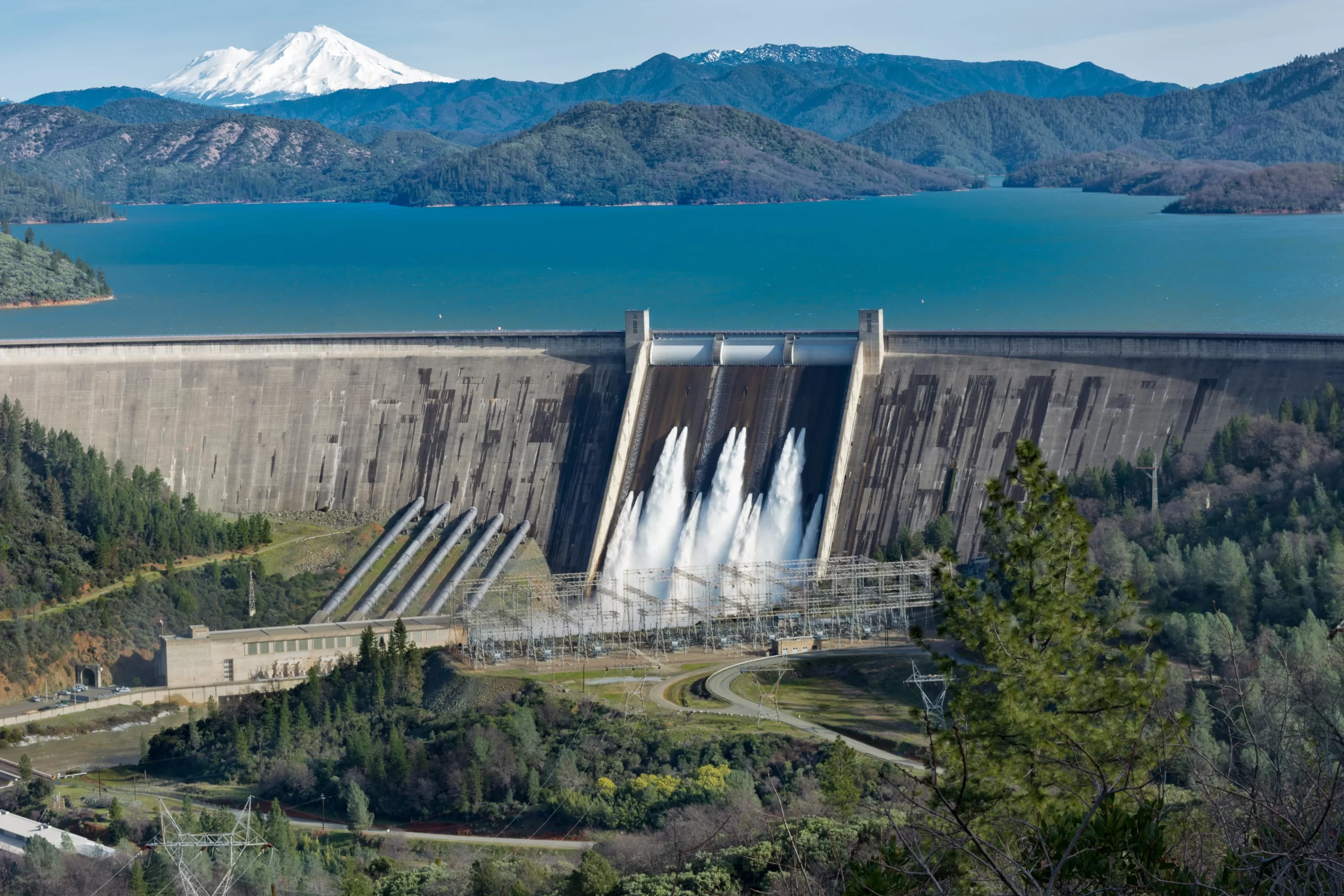
The main objective of this project is to propose improvements to the Brazilian regulatory framework for the inclusion of mechanisms capable of adequately compensating resources that promote operational flexibility at low costs. Among the possible resources, the study focuses on the use of digital solutions that allow for the provision of additional power from hydroelectric plants, achieved by relaxing the plants’ safety operation margin, using sensing and artificial intelligence techniques. Within the project’s scope, methodologies are developed to quantify the capacity reserve of each plant in the National System and to estimate the economic benefit of hourly flexibility provided by hydroelectric plants, considering the implementation of the digital solution. Additionally, a unique modeling of generator characteristics is performed, which is used for operation studies and the calculation of the system’s firm energy. These innovations can be applied to other hydroelectric plants, as well as to different mechanisms for increasing the operational flexibility of power plants.

Software for the Assessment of Hydropower Potential and Division of Falls
This project aims to develop a software for the optimization of hydroelectric potential development (fall division) considering both technical-economic aspects and socio-environmental constraints.
The model’s objective function maximizes the economic benefits of the hydrographic basin’s energy development, considering the costs of civil works, electromechanical equipment, and socio-environmental aspects of the candidate projects. The formulation of this mathematical problem and the search for solution methods is, without a doubt, the most original aspect of this project. There are also other original aspects, such as: (i) The development of a computational architecture for distributed execution (in the cloud) during the candidate project construction phase, which requires intensive computational processing to execute Geographic Information System (GIS) functions; and (ii) The automatic generation of project budgets through unit costs (informed by the user) and quantities of the different structures of the candidate projects (i.e., dams, spillways, turbines, etc.) that are dimensioned according to the Eletrobrás Inventory Manual.
Technical-Commercial Insertion of Solar Photovoltaic Generation in the Distribution Grid
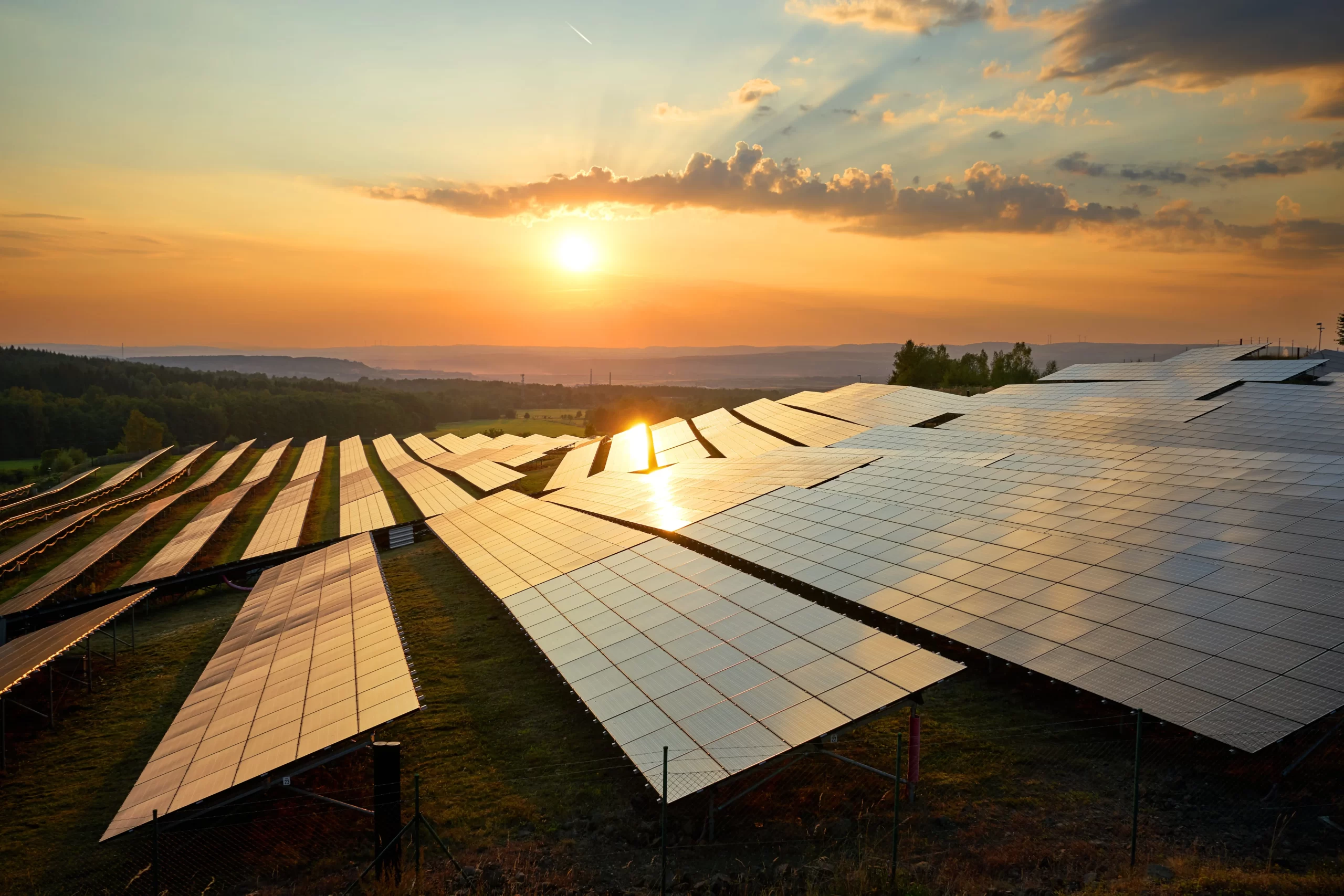
The main objective of this project is to comply with the provisions of Strategic R&D Project Call No. 013/2011, with the goal of evaluating the technical-commercial insertion of solar photovoltaic (PV) generation through the design, construction, and operation of a 1MWp commercial plant, with two photovoltaic technologies, a technological laboratory with five different photovoltaic technologies, and a wind turbine. This constitutes the study center with 75kWp solar and 6kW wind to evaluate the complementarity between sun and wind, integrating the results of the project PD-0063-0042/2011, with data acquisition, monitoring, and processing integrated into a system developed by the project teams.

UK Pact – Energy Transition and Industrial Descarbonization in Brazil – Support the Steel Industry to Achieve Sectoral Mitigation Goals
The CarbSteeler Model is a mathematical cost optimization model to evaluate the distinct decarbonization pathways for the Brazilian steel industry. It integrates local resources and factors—encompassing technologies, processes, and economic aspects, such as economies of scale and potential synergies with other industries via resource sharing in geographical clusters. The main resources analyzed include biomass, biochar, biomethane, hydrogen, natural gas, coke, electricity, scrap, iron ore, and water. The processes covered in the model include the production of green hydrogen, biochar, pig iron, hot briquetted iron (HBI), and steel, by both Electric Arc Furnace (EAF) and Basic Oxygen Furnace (BOF). The model operates under constraints such as energy and mass balances between processes, regulatory requirements (including green certification), annual steel production volumes to simulate current and future scenarios, and an annual emissions budget. These constraints ensure that the model considers operational and regulatory realities. The objective function and constraints of the model are flexible, allowing, for example, to maximize low-carbon steel production within an established emissions budget, or to minimize emissions for a specific steel production demand. Additionally, the model includes investment and Operation and Maintenance (O&M) costs, adjusted according to scale.

Wind Turbine Integrated with Solar, Storage, and Hydraulic Energy Sources as a Development Platform
This project develops an intelligent hybrid generation system for R&D, focused on a control capable of stable and optimized operation and maintenance. The central pillar of this innovation is the development of the STORM (Stochastic Optimization for Renewable Energy Management) model, which uses real-time simulators and stochastic optimization algorithms to ensure qualified performance based on temporal forecasts on a scale of hours, days and months.
Solar and wind intermittency in power plants can cause instabilities throughout the electrical system and the local grid. Recent technological solutions point to the integrated use of wind and solar plants at the same location. This project, through the intelligence of the STORM model, contributed to a smarter integration of the national energy system and one better suited to local characteristics, based on wind energy integrated with other energy conversion processes. Equipment and systems are introduced that represent an innovative alternative for improving the quality, efficiency and reliability of the electrical power generation system. The project is thus configured as a platform for the development of solutions to improve intelligent and integrated operation, supervision and control, providing the best emerging technologies for the electricity sector.