






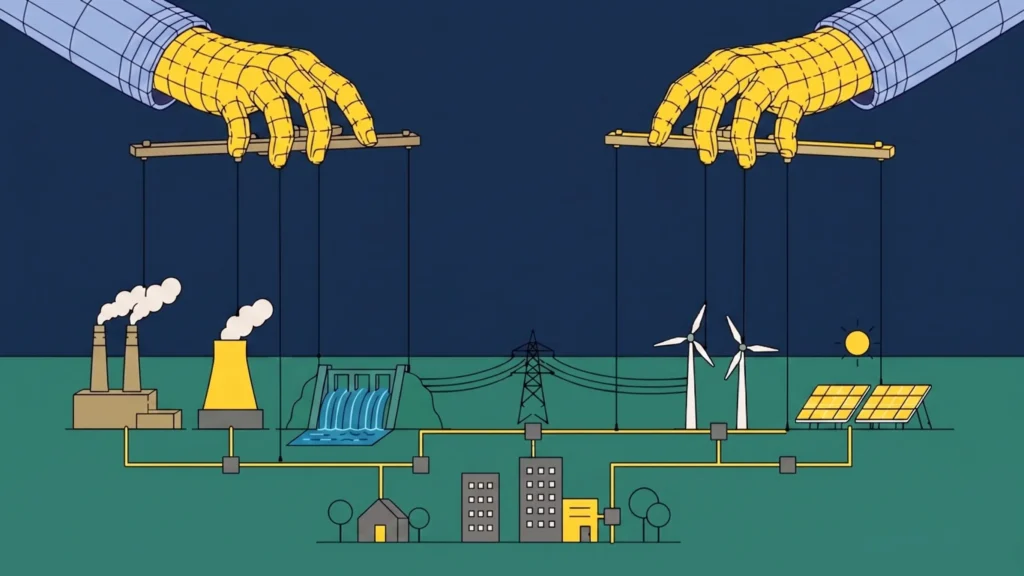
Assessing the capability of agentic AI in a Stochastic Hydrothermal Scheduling case study
How AI reasoning unlocked the next generation of software engineering
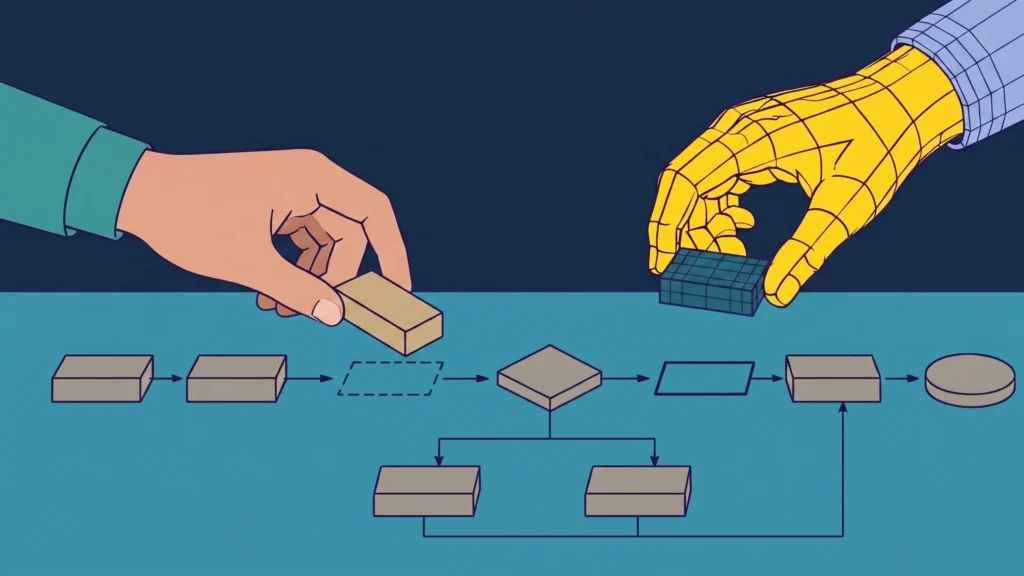
A new generation of large language models with explicit reasoning capabilities has changed what is possible in software development. Earlier code-completion tools relied on statistical pattern matching and were useful primarily for short, local suggestions. The latest reasoning models can decompose engineering problems into intermediate steps, plan a sequence of actions, inspect their own work, […]
GPU-based algorithms for large-scale optimization
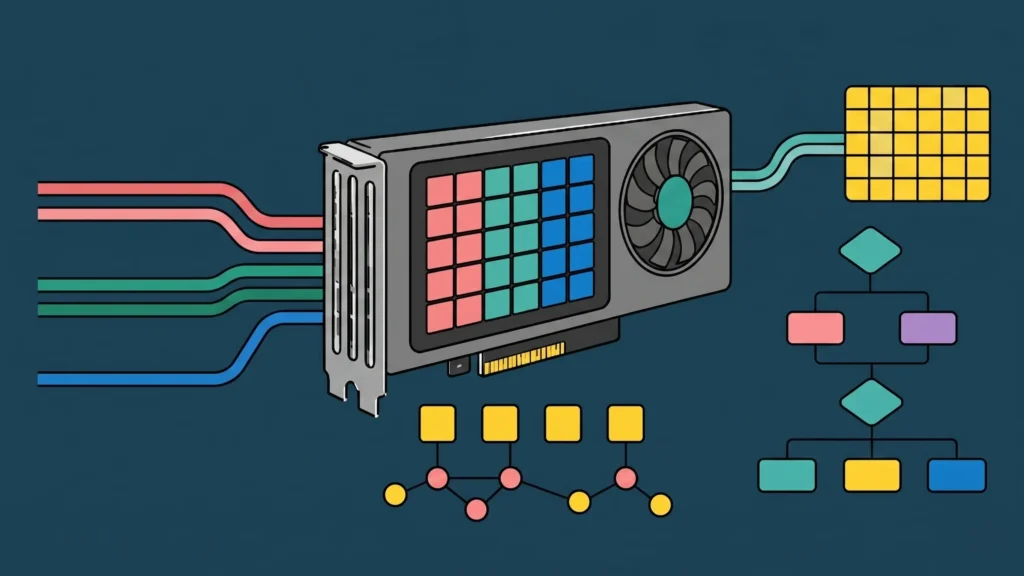
Introduction Many of the analytical problems that define modern power systems are, at their computational core, large optimization problems. Economic dispatch, unit-commitment, expansion planning, stochastic operation, reliability assessment, and decomposition-based planning workflows all rely heavily on mathematical programming. As systems incorporate more renewable variability, storage technologies, network detail, and scenario-based representations of uncertainty, the size […]
SDDeeP: Blending optimization and reinforcement learning for hydrothermal dispatch
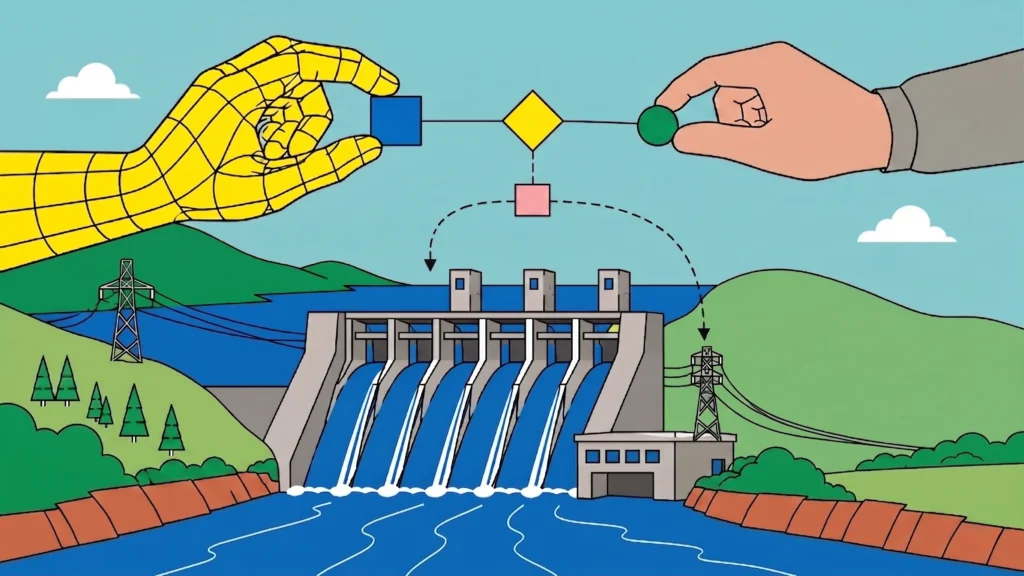
Introduction Hydropower is the world’s largest source of low-carbon electricity, supplying close to one-seventh of global generation. Beyond its sheer scale, it is also one of the most flexible resources in modern power systems: large reservoirs can store water for months and release it on demand, smoothing seasonal variability and absorbing shocks elsewhere in the […]
Expanding the SDDP platform experience through AI: Chatbots, MCPs, and AI reasoning
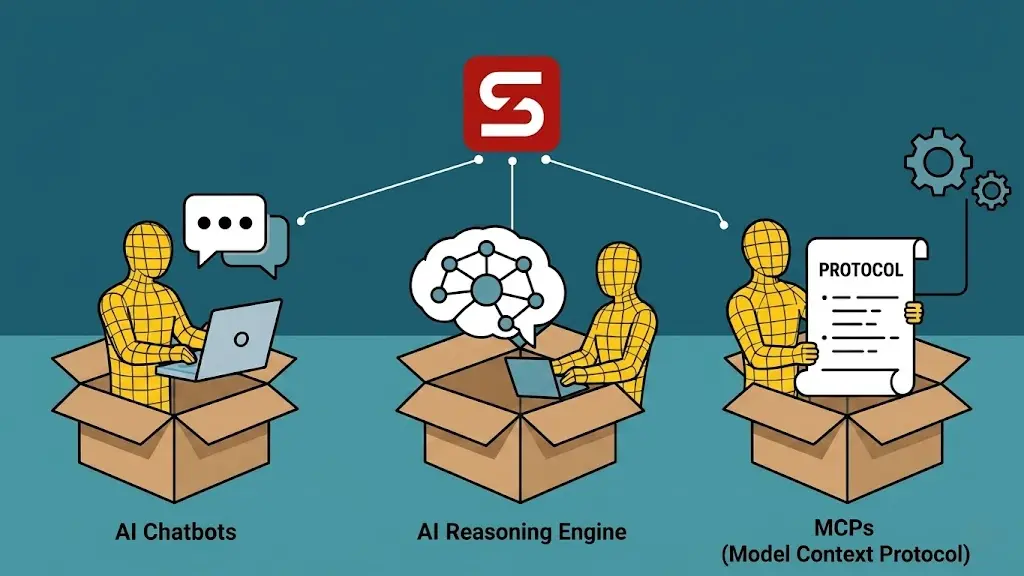
Imagine two people trying to reach the same destination. One has an old car with a paper map; the other, a modern vehicle with integrated systems, real-time navigation, route optimization and intelligent assistance. Both are still driving, and both remain responsible for their decisions. But one of them will move faster, react quicker, process more […]
PSR User Meeting 2026
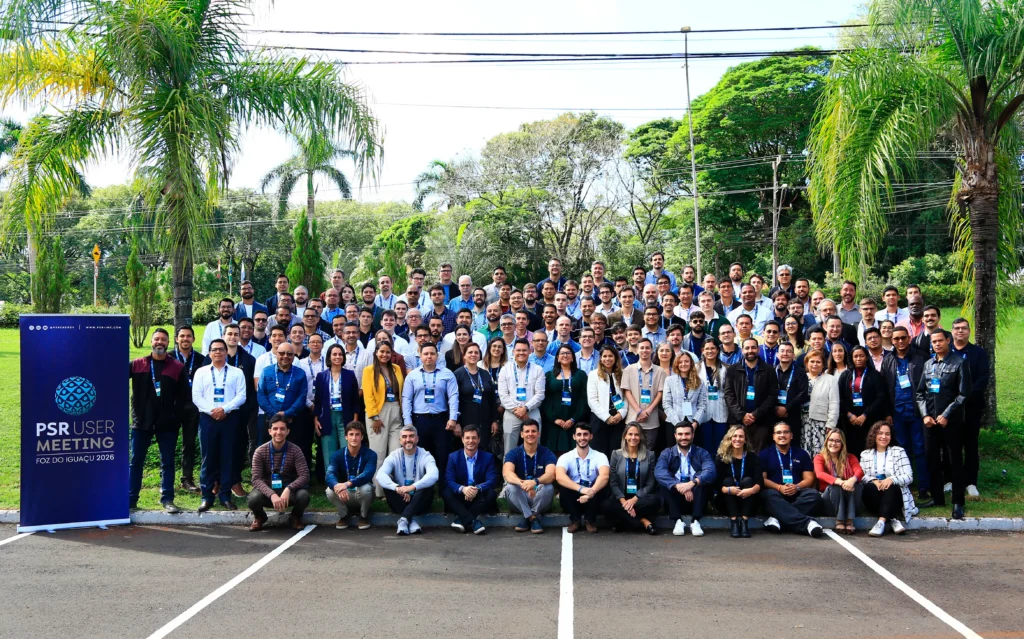
From May 24th to 29th, PSR hosted the 2026 edition of its Global User Meeting in Foz do Iguaçu, Brazil — a setting that could hardly be more symbolic for a community dedicated to energy analytics, at the meeting point of three countries and next to one of the world’s largest hydroelectric plants. The event […]
AI reasoning in math and coding: a stochastic generation-expansion solver

Introduction AI reasoning in mathematics For most of the deep-learning era, the relationship between large language models and mathematics was uneasy: systems that excelled at natural-language generation remained unreliable on multi-step reasoning and formal mathematics. That changed rapidly after 2024, as frontier systems reached Olympiad-level performance and began integrating directly with formal verification environments such […]
Integrated AI-based climate modeling and stochastic optimization
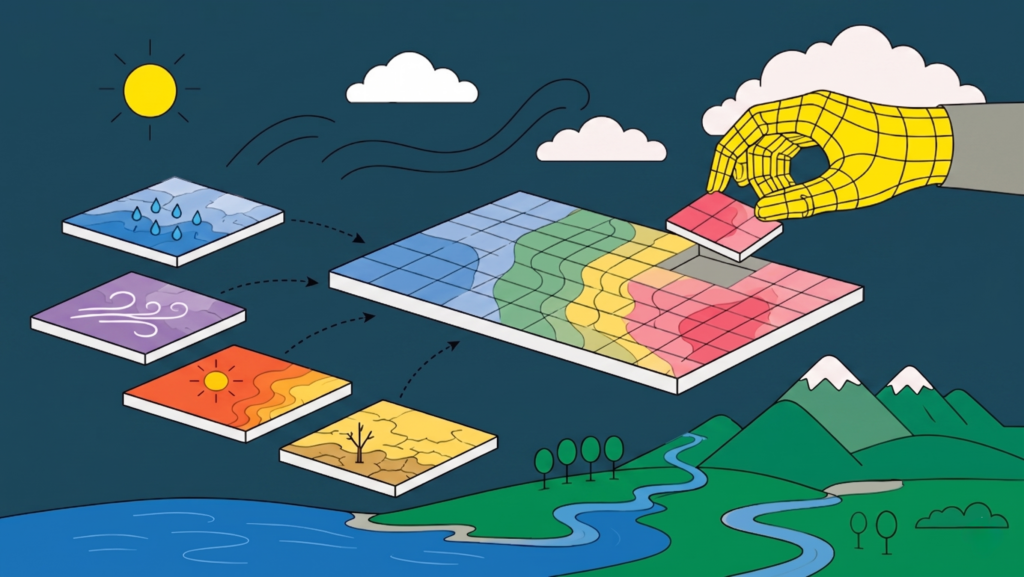
This article is organized into two parts: Part 1 — PSRCast in energy analytics The first part is based on a recent presentation delivered at the DTU PES Summer School in Denmark. It provides a comprehensive overview of PSRCast, PSR’s AI-based scenario generation tool, and its integration with analytical tools such as SDDP. The links […]
PSR in academic research

Overview PSR remains actively engaged in the global research community through publications, conference presentations, and collaborative projects. This article highlights a selection of recent and upcoming academic activities that reflect the company’s ongoing work in energy analytics, optimization, and decision-support methodologies. Last year, Mario Veiga Pereira, PSR’s founder and Chief Innovation Officer, was included for […]
Planning under uncertainty: how NWPCC is preparing the Pacific Northwest for the energy transition
The Northwest Power and Conservation Council (NWPCC) is a U.S. interstate agency responsible for developing a regional power plan for the Pacific Northwest. Every few years, the Council produces a comprehensive plan that sets the direction for how the region should meet its future electricity needs over a 20-year horizon, balancing cost, reliability, environmental policy, […]